Showing posts sorted by date for query walking. Sort by relevance Show all posts

Friday, October 30, 2026

What to Do When Your Weight Loss Stalls

What to Do When Your Weight Loss Stalls

Woman writing in a notebook beside fresh vegetables on a kitchen counter

Photo: Katya Wolf via Pexels.

If your weight loss has stalled, start by checking the trend and reviewing your routine. A flat week does not mean your plan has failed. This guide helps you look at meals, movement, sleep, and progress before deciding whether one small adjustment would help.

You have been putting in the effort. Then the scale stops moving. It is tempting to skip meals, buy a “fat burner,” or double your workouts. Take a breath first. You need enough information to decide what, if anything, should change.

First, check whether you have a real stall

A single week at the same weight does not tell you much. Day-to-day weight changes include shifts in water and other factors. If you track your weight, use a consistent weigh-in routine and look at readings across several weeks.

Also ask what else has changed. Do your clothes fit differently? Does walking feel easier? Have you been preparing more meals at home? Those changes matter even when the scale has not caught up with your expectations.

Review what you eat and drink 🍽️

For a few days, write down your usual meals, snacks, and drinks. You are collecting information, not building a case against yourself. Look for details that are easy to miss:

  • Drinks with calories, including sweetened coffee or tea.
  • Snacks eaten while cooking or watching television.
  • Portions that have gradually become larger.
  • Sauces, dressings, and cooking oils used more often than you realized.
  • Meals skipped earlier in the day that leave you unusually hungry later.

The CDC recommends tracking food and beverages for a few days when reviewing a weight-loss plan. You do not have to record everything forever. A short, honest look may reveal a useful change. Read the CDC’s steps for losing weight.

Check your movement and recovery 🚶

Has your usual activity changed? Perhaps a sore knee shortened your walks. Perhaps your routine became easier, and you want to add a little time. Review what you actually did during the past two weeks, then choose an adjustment your body can handle.

Sleep and stress belong in the review too. The CDC includes healthy eating, regular activity, enough sleep, and stress management in its guidance for healthy weight loss. None of these habits needs to be perfect. Look for a practical improvement.

Remember that your needs can change

After weight loss, your body generally needs fewer calories at its new, lower weight. The National Institute of Diabetes and Digestive and Kidney Diseases explains that metabolism slows during weight loss. A routine that helped at the beginning may need a thoughtful adjustment later. Read the NIDDK guidance.

That does not mean you should suddenly eat far less. Choose a manageable change, such as checking your usual portions, replacing a regular high-calorie drink, or adding activity that fits your abilities. Give the change time before deciding whether it helps.

Use this seven-day review

  1. Day 1: Look at your weight trend over several weeks, if you track it.
  2. Day 2: Write down what you eat and drink during a normal day.
  3. Day 3: Notice when you snack and whether you were hungry.
  4. Day 4: Record your activity, including short walks and daily movement.
  5. Day 5: Check your sleep routine and how you have been feeling.
  6. Day 6: Pick one change you are willing to repeat.
  7. Day 7: Make a simple plan to continue it next week.

One change gives you a clearer answer than changing everything at once. It also gives you a better chance of sticking with your plan.

When should you ask for help?

If your weight changes unexpectedly, you feel unwell, or pain limits your activity, speak with a health professional. Medicines and medical conditions can affect weight management. A registered dietitian or other qualified professional can help you build a plan suited to your health needs.

Frequently asked questions

How long should I wait before changing my plan?

Do not react to one unchanged reading. Review a longer pattern and your daily habits first. If your progress has been flat for several weeks, use what you learned to choose one reasonable adjustment.

Should I eat as little as possible to restart weight loss?

No. An extreme plan is hard to maintain and may leave you short of the nutrition you need. Aim for an eating pattern that supports your health and fits your life.

Does a stalled scale mean exercise is useless?

No. Physical activity supports health even when a scale reading stays the same. It also helps maintain weight loss.

Keep reading

Your next step: Review seven ordinary days before making a change. Then choose one action you can repeat. Have you worked through a weight-loss stall before? Tell us what helped in the comments.

Friday, October 16, 2026

Why Your Weight Changes From Day to Day

Why Your Weight Changes From Day to Day

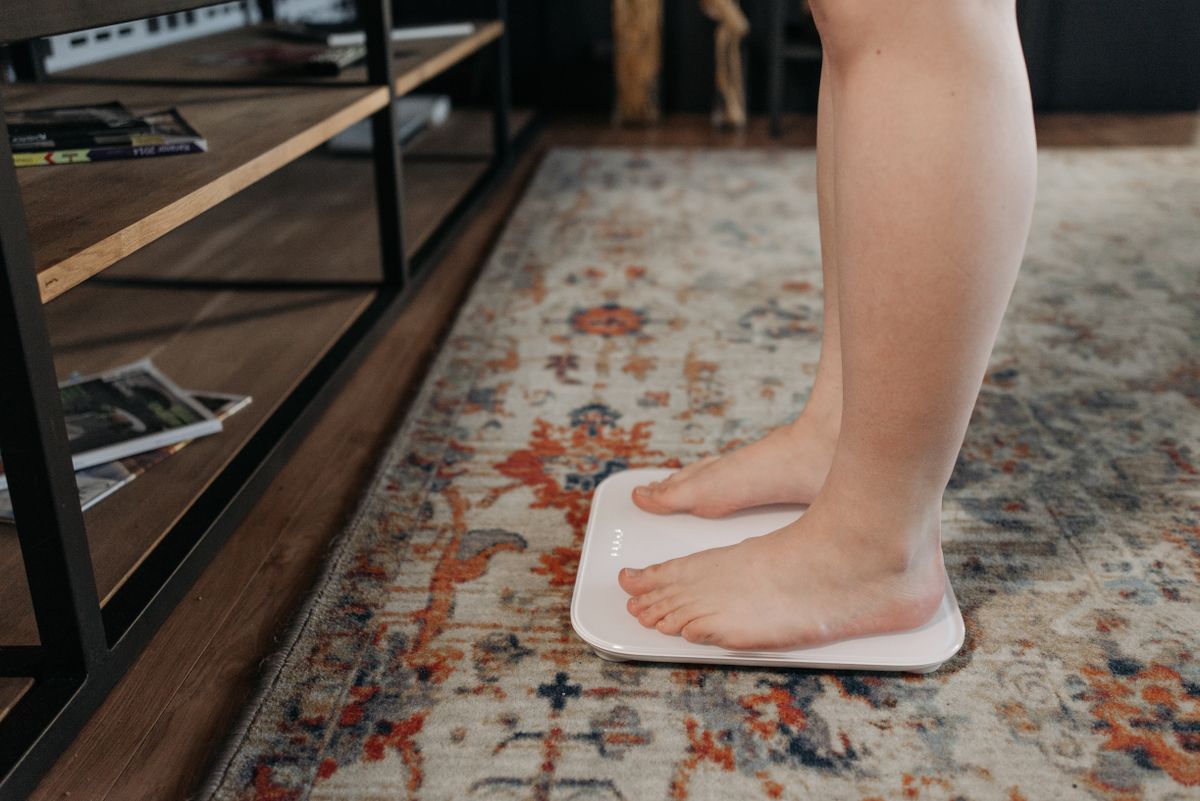
Person standing on a digital bathroom scale at home

Photo: Pavel Danilyuk via Pexels.

Your weight can rise overnight even when your eating habits have not changed. Water, food still being digested, and the time you weigh yourself all affect the number. Learn what a daily reading tells you, what it cannot tell you, and how to spot a useful trend.

You step on the scale Monday and feel encouraged. Tuesday, the number goes up. Before you decide your plan has failed, pause. A bathroom scale measures everything in your body at that moment. It does not separate body fat from water, food, and other short-term changes.

A higher number does not always mean more body fat

Body weight changes over a few days. The National Heart, Lung, and Blood Institute notes that changes in water and body fat both affect the number. That is why one reading cannot tell you how much fat you gained or lost. Read the NHLBI guidance on healthy weight.

Here are common reasons the scale changes:

  • Food and drink: A meal and a glass of water have weight while they are in your body.
  • Water balance: Your body does not hold the same amount of fluid every day.
  • Weigh-in time: A morning reading and an evening reading are not a useful comparison.
  • Menstrual-cycle changes: Some people retain more fluid at certain times in their cycle.

Researchers have observed menstrual-cycle-related changes in body weight that were largely linked to fluid retention. That is another reason to compare a longer pattern instead of reacting to one day. Read the study summary.

How to make weigh-ins more useful ⚖️

If you choose to weigh yourself, use a consistent routine:

  1. Use the same scale.
  2. Place it on a firm, level floor.
  3. Weigh yourself around the same time each day.
  4. Wear similar clothing each time.
  5. Write down the date and number, but don't treat it as a grade.

Once a week works well for many people. The CDC includes weekly weight recording as one way people may monitor weight maintenance. If you prefer more frequent weigh-ins, look at the pattern across several weeks rather than judging each individual reading. Read the CDC’s weight-maintenance tips.

Try a four-week trend check

Choose one day of the week and follow the same weigh-in routine for four weeks. Record the results like this:

  • Week 1: Your starting reading.
  • Week 2: Another data point, not a verdict.
  • Week 3: Check whether a pattern is beginning to appear.
  • Week 4: Compare the full set and review the habits you followed.

Four readings still will not explain everything happening in your body. They give you more context than comparing yesterday with today. If your weight stays about the same, ask whether your meals, activity, sleep, or other circumstances have changed before making a large adjustment.

Track habits alongside weight 📝

Write down one or two actions you control. You might record how often you walked, how many meals you prepared at home, or whether you kept a regular sleep schedule. Those notes help you connect your plan to your daily life.

Other signs of progress may matter to you too. Perhaps walking feels easier. Perhaps you need fewer takeout meals because you have food ready at home. The scale does not measure either improvement.

When should a weight change get your attention?

If your weight changes suddenly and you also notice swelling, shortness of breath, or another new symptom, contact a health professional. A rapid change deserves a different response from an ordinary day-to-day fluctuation. If you take medicines or manage a condition that affects fluid balance, follow the weighing instructions your care team gave you.

Frequently asked questions

Did I gain fat because the scale went up this morning?

One higher reading cannot tell you that. Look at your longer-term pattern and remember that body weight includes water and other changing contents.

Is daily weighing necessary?

No. Choose a tracking routine that gives you useful information. Weekly weigh-ins are one option.

Should I stop weighing myself if it makes me anxious?

Focus on habits and other measures of progress instead. If tracking your weight causes distress, discuss a different approach with a health professional.

Keep reading

Your next step: Choose a tracking routine you can live with for four weeks. Record your habits along with any weigh-ins. What helps you stay focused when the scale changes unexpectedly? Share your approach in the comments.

Friday, October 9, 2026

Does Walking Slowly Still Count? A Gentle Plan for Better Health

Does Walking Slowly Still Count? A Gentle Plan for Better Health

Two older adults walking together along a green park path

Photo: Rollz International via Pexels.

Walking slowly still counts as movement. A gentle walk gives you a place to start, especially if pain or limited stamina makes brisk walking difficult. Learn how to choose a comfortable pace, build a repeatable routine, and notice progress beyond the scale.

“Walk faster” is easy advice to give when you are not the person taking the steps. If your hips hurt, your balance feels uncertain, or you tire quickly, speed is the wrong first goal. Begin with a route and pace you can manage safely. Then build from there.

Does a slow walk count as exercise?

Yes. Walking slowly is physical activity. The health benefits and effort level depend on the person and the pace. A slow walk may be light activity for one person and feel much more demanding for someone else.

Federal guidance says any amount of physical activity offers some health benefit. For adults who are able to do it, the longer-term target is at least 150 minutes a week of moderate-intensity aerobic activity, along with muscle-strengthening activity on two days. That target is a direction to work toward. It is not an entrance requirement for your first walk. Read the federal physical activity guidance.

How do you judge your pace? 🚶

Pay attention to your breathing and how your body feels. During moderate-intensity activity, you can usually talk but would have trouble singing. If you can sing comfortably, your pace is likely lighter. Both give you a way to move.

Do not force a brisk pace to make a walk “count.” If walking causes increasing pain, dizziness, or other concerning symptoms, stop. If a condition affects safe movement, ask a health professional which activity and amount suit you.

A gentle two-week walking plan

Use this plan as a starting example. Shorten a session, take a rest day, or repeat a week if your body needs it. Choose a level route with a place to sit when possible.

Week 1: Find a comfortable routine

  • Day 1: Walk for five comfortable minutes. Turn back sooner if needed.
  • Day 2: Rest or do a few minutes of gentle movement at home.
  • Day 3: Repeat your walk. Notice how you feel afterward.
  • Day 4: Rest or choose an activity that feels comfortable.
  • Day 5: Walk again. Keep the same pace and time if they worked well.
  • Days 6 and 7: Walk if you feel ready, or recover and prepare for next week.

Week 2: Add a little, if you are ready

Try walking on three or four days. If five minutes felt manageable during week one, add a minute or two to some walks. You don't need to increase both your speed and your time at once.

If five minutes was too much, choose a shorter distance or split the movement into brief sessions. The goal is to find an amount you can repeat.

What if walking is not the right activity for you?

Walking is one option, not a test you must pass. Depending on your abilities, seated movement, wheeling, or another activity may fit better. The CDC encourages adults with disabilities to be active according to their abilities when they cannot meet the usual activity targets. Read the CDC’s guidance for adults with disabilities.

If joint pain or a health condition limits you, a physical therapist or another health professional can help you choose a safer starting point. That advice is especially useful when you are unsure whether an activity is making a condition worse.

Will slow walking make belly fat disappear?

No activity removes fat from one chosen body part. Walking supports your health and can help with weight management. Your eating pattern matters too. The CDC explains that physical activity and changes to food intake work together in weight loss and maintenance. Read the CDC’s guidance on activity and weight.

A useful walking goal is one you can control: how often you go, how long you move comfortably, and how you feel afterward. Do not judge the value of a walk by what the scale says the next morning.

Three ways to make walking easier to repeat

  1. Attach it to an existing habit. Try a short walk after breakfast or before an evening television show.
  2. Prepare your route. Choose good lighting, an even surface, and a distance that lets you return comfortably.
  3. Record one useful detail. Write down your minutes, route, or comfort level. A simple note helps you see whether your plan fits.

Frequently asked questions

Do I need 10,000 steps a day?

No. You do not need a step-count target to begin. Start with an amount of activity you can manage, then build gradually.

Is one long walk better than several short walks?

Choose the pattern that works for your body and schedule. Short sessions give many people a manageable starting point.

Should I walk every day?

You do not have to start with daily walks. Rest and adjust your plan when needed. Consistency over time matters more than completing a perfect week.

Keep reading

Your next step: Pick one safe route and a comfortable amount of time. Try it once, see how you feel, and use that experience to plan your next walk. What makes walking easier for you? Share your tip in the comments.

Friday, September 25, 2026

How to Start Losing Weight When Exercise Hurts

How to Start Losing Weight When Exercise Hurts

Two older adults walking together in a park, with one using a rollator

Photo: Rollz International via Pexels.

If exercise hurts, you don't need to start with a hard workout. Start with movement your body can tolerate, make small changes to your meals, and build a routine you can repeat. This guide offers a practical first week for people with sore joints or limited mobility.

“Move more” sounds simple until your knees, hips, or back object. Then every fitness plan seems to begin three steps ahead of where you are. You still have a place to start. You need a plan built around what you can do today.

First, separate discomfort from pain

Some effort is normal when you become more active. Stop if you have sharp pain, dizziness, chest pain, or movement that makes an injury worse. If a health condition or ongoing pain limits you, ask a health professional or physical therapist which activities fit your situation. You do not need to guess your way through it.

The goal for your first week is simple: find a manageable amount of movement and repeat it. Federal physical activity guidance says even small amounts of activity offer health benefits. Adults who cannot meet the usual activity targets should be active according to their abilities. Read the federal physical activity guidance.

Choose your starting point 🚶

Pick one option that suits your body and your surroundings:

  • If walking feels comfortable: Walk for five minutes at an easy pace. A hallway, driveway, or nearby path counts.
  • If standing is difficult: Sit in a sturdy chair and gently move your arms and legs through a comfortable range of motion for a few minutes.
  • If you use a mobility aid: Choose a safe route or an activity designed for your abilities. The aim is regular movement, not a particular kind of movement.

Start slowly. If the activity feels manageable during and after it, repeat it the next day. Add time gradually instead of trying to make up for years of inactivity in one afternoon.

Make food changes you can keep 🍽️

Movement helps your health, but it does not need to carry your entire weight-loss plan. Eating patterns matter too. For the first week, choose one change you can see and repeat:

  • Replace one sugar-sweetened drink with water or an unsweetened option.
  • Add a vegetable or fruit to one meal each day.
  • Put your usual snack on a plate so you can see the portion before eating.
  • Include a satisfying source of protein, such as eggs, beans, fish, yogurt, or chicken, in a meal.

You do not need to follow every suggestion. Choose the one that fits your grocery budget and daily routine. The National Institute of Diabetes and Digestive and Kidney Diseases recommends an eating plan you can maintain over time. Read its guidance on eating and physical activity.

Your first seven days

  1. Day 1: Pick one comfortable movement and try it for a few minutes. Note how you feel afterward.
  2. Day 2: Repeat the movement. Choose one food or drink change for the week.
  3. Day 3: Keep the same plan. Notice whether the activity feels easier, harder, or about the same.
  4. Day 4: Take a lighter day if your body needs one. Gentle activity still counts.
  5. Day 5: Repeat your movement. Add a little time only if you feel ready.
  6. Day 6: Review your meals and drinks without judging yourself. Look for one change you want to keep.
  7. Day 7: Decide what your next week should look like. A routine you can repeat beats an ambitious plan you abandon.

How will you know you are making progress?

Your weight is one measure, but it is not the only useful one. Notice whether you move more comfortably, recover well after activity, or repeat your food choice more often. If you track your weight, look at the pattern over time instead of treating one reading as a verdict.

Healthy weight loss usually takes time. The CDC says people who lose weight at a gradual pace of about one to two pounds per week are more likely to keep it off than people who lose weight faster. Your own pace will vary. Read the CDC’s steps for losing weight.

Frequently asked questions

Do I have to walk to lose weight?

No. Walking is one option. People with disabilities and mobility limits can use activities suited to their abilities. Your food choices also play a part in weight management.

Will five minutes of movement make a difference?

Five minutes gives you a repeatable starting point. Any amount of physical activity offers health benefits. Build gradually as your body allows.

Should I push through joint pain?

Do not treat worsening pain as a fitness target. Stop the activity and get advice from a health professional when pain persists, increases, or limits normal movement.

Keep reading

Your next step: Choose one comfortable movement and one manageable food change. Write them down, try them for seven days, and adjust based on how your body responds. What is the first change you plan to make? Share it in the comments.

Friday, August 21, 2026

The Slowest Walk of His Life Burned More Belly Fat Than His Old 5K


The Slowest Walk of His Life Burned More Belly Fat Than His Old 5K

Heavyset African American man in his late 60s with a noticeable belly walking slowly outdoors on a sunny day wearing an Army Retired camouflage cap and casual clothes looking relaxed and determined

The right kind of walking burns visceral belly fat more effectively than running — SGM T explains the pace and the timing that makes it work.

SGM T. used to run. Two times a year, for thirty years, the Army told him exactly how far and how fast. He passed. Every time. Then retirement came, his hips went, and running became an activity his body firmly declined to participate in. So when the research he found for this post showed that slow, deliberate walking at the right pace and the right timing actually burns more belly fat than the runs he used to do, he had to read it twice. Then he went outside in his Army Retired cap and walked for fifteen minutes. This post is about what he found.

📌 Quick Summary

  • Walking at a moderate, conversational pace specifically targets fat as the primary fuel source — higher intensity exercise actually burns proportionally more sugar than fat
  • Post-meal walking of just 10–15 minutes is one of the highest-leverage belly fat interventions available — it redirects glucose from fat storage to muscle fuel at the moment it matters most
  • The specific conditions that maximize belly fat burning during walking are achievable for almost anyone, regardless of physical limitations

💡 The Real Story

Slow walking for belly fat loss sounds too good to be true until you understand the fuel source that different exercise intensities use. Your body burns fat most efficiently at low-to-moderate intensity. As intensity increases, the fuel source shifts from fat to glucose. This means that slow, consistent walking — especially in the specific windows described below — is not the 'lazy' option. It is the metabolically optimal one for targeting visceral fat.

📖 What SGM T Found Out

🔬 The Fat-Burning Science Behind Slow Walking

  • ✦ At 50–65% of maximum heart rate (an easy, conversational pace), the body uses fat as its primary fuel source — this is called the 'fat oxidation zone.'
  • ✦ At higher intensities (running, vigorous exercise), the body switches to glucose as primary fuel — burning fat at a lower percentage despite burning more total calories
  • ✦ For visceral fat specifically, sustained low-intensity activity over 20–30 minutes depletes the fatty acid pool that visceral fat cells contribute to
  • ✦ Post-meal walking specifically: the 10–30 minute window after eating is when blood glucose is highest — walking during this window drives that glucose into muscle cells instead of fat storage
  • ✦ Research on post-meal walking shows that 10 minutes after meals reduces 24-hour glucose levels more than a single 30-minute walk done at another time

👟 The SGM T Walking Protocol for Bad Hips

  • ✦ Pace: slow enough to hold a conversation without breathing hard — this is your fat-burning zone
  • ✦ Timing: 10–15 minutes after your largest meal of the day — this is the highest-leverage window
  • ✦ Duration: start with 10 minutes — this is enough to produce measurable metabolic benefit
  • ✦ Footwear: proper support matters for hip protection — SGM T uses cushioned walking shoes, not running shoes
  • ✦ Surface: flat, even surfaces protect the hips — avoid hills or uneven terrain in the early weeks
  • ✦ Outdoors when possible: natural light and fresh air additionally lower cortisol, compounding the belly fat benefit

✅ How to Make Post-Meal Walking Non-Negotiable

  • ✦ Set a phone reminder for 10 minutes after you finish your largest meal
  • ✦ Walk to a specific landmark and back — a mailbox, a neighbor's house, the end of the block
  • ✦ Call someone during the walk — it makes the time pass faster and provides the cortisol-lowering benefit of social connection
  • ✦ On bad hip days: even a 5-minute slow shuffle counts — the post-meal timing matters more than the duration or pace
  • ✦ In bad weather: march slowly in place for 10 minutes — the movement benefit is nearly identical to outdoor walking

❓ Real Questions Real Answers

Q1: How is walking better than running for belly fat if running burns more calories?
Because belly fat specifically — visceral fat — responds to fat oxidation, not just total caloric burn. Running burns more total calories but relies heavily on glucose as fuel. Walking at the right pace burns fewer total calories, but a higher percentage of those calories comes from fat. For visceral fat specifically, sustained fat oxidation is what produces results.

Q2: What is SGM T.'s current walking routine?
SGM T. is walking for 10–15 minutes after his afternoon meal three to four days per week — on flat ground near his home, wearing his Army Retired camo cap. He started with 5 minutes and has gradually extended the duration as his hip tolerance allows. He reports that the post-meal timing specifically has reduced his afternoon bloating noticeably.

Q3: Can this work for someone with very limited mobility, like SGM T.?
Yes — and the post-meal timing is what makes even short, slow walks disproportionately effective. A 5-minute shuffle at a gentle pace 20 minutes after eating produces measurable glucose management and fat oxidation benefits. The threshold for 'enough' is lower than most people believe.

Q4: What about Jan, who is already active with her grandkids?
Jan's activity is largely non-exercise activity (NEAT) — chasing, carrying, and moving through the day. The specific benefit of post-meal walking is the timing relative to glucose, not just the movement itself. Adding a deliberate 10-minute walk after her main meal — even on the same day she's been active — would add a targeted metabolic benefit she isn't currently getting.

📙 SGM T Uses: New Balance 928v3 Walking Shoes — maximum cushioning and stability for hip-protective walking. SGM T researched this specific model for bad hips and bad knees → View on Amazon

🔐 Affiliate Disclaimer: As an Amazon Associate, SGM T earns from qualifying purchases at no extra cost to you. He only recommends products he has personally used or thoroughly researched

💬 Do you have a post-meal walk routine — or does the couch win that battle most days? Drop it in the comments, SGM T is curious how many people are already doing this instinctively without knowing the science behind why it works

📊 Fat Oxidation 101: Why the Right Walking Pace Burns Visceral Fat While Running Burns Mostly Sugar


Thursday, May 14, 2026

6 Simple Ways to Increase NEAT and Burn Fat Without the Gym

 6 Simple Ways to Increase NEAT and Burn Fat Without the Gym

A person using a standing desk to illustrate how to lose fat without exercising by increasing non-exercise activity thermogenesis.

How to lose fat without exercising for hours on a treadmill is a secret known as NEAT—Non-Exercise Activity Thermogenesis. While most people focus on the 60 minutes they spend at the gym, NEAT covers the energy you burn during the other 23 hours of the day while standing, walking, cleaning, and even fidgeting. For many, a sedentary lifestyle is the primary root cause of a weight loss plateau. By increasing your daily movement through small, intentional habits, you can significantly boost your metabolic rate and lose fat naturally without the burnout of extreme workouts.

🔥 1. The Power of the "Post-Meal" Walk To effectively how to lose fat without exercising intensely, try taking a 10-minute walk after every meal. This simple habit helps clear glucose from your bloodstream and lowers the insulin spike that leads to lower belly fat storage. It’s one of the most effective ways to manage your blood sugar in real-time.

📞 2. Never Sit While on the Phone We spend hours every week on calls. By making it a rule to pace or stand while talking, you can easily add 2,000 to 3,000 steps to your day. This consistent low-level movement helps lose fat in legs by improving circulation and preventing the metabolic slowdown that comes from sitting for hours.

🧹 3. Turn Household Chores into a "Micro-Workout" Cleaning the house, gardening, or washing your car are high-NEAT activities. These movements engage multiple muscle groups and help you lose fat at home without ever feeling like you are "training." The more you move throughout the day, the higher your "metabolic thermostat" stays.

📘 [Want to track your habits and optimize your home fat loss? → 👉 How To Use Smart Home Technology to Lose Fat – https://howtolosethatfatfast.blogspot.com/2025/03/how-to-use-smart-home-technology-to.html 👈]

🚫 4. Stop Using the Elevator Taking the stairs is one of the best ways to lose visceral fat because it provides short bursts of resistance and cardiovascular work. Over a year, this small choice can lead to pounds of fat loss without a single minute spent in a traditional gym.

🚗 5. Park at the Back of the Lot Intentional "inconvenience" is a fat-loss weapon. By parking further away or getting off the bus one stop early, you force your body to move. This type of activity is essential for those trying to lose fat without dieting to the extreme.

🛌 6. NEAT Supports Better Sleep When you move more during the day, your body builds up "sleep pressure," which helps you fall asleep faster and stay asleep longer. This ensures your body can lose fat while sleeping by balancing your nocturnal hormones.

📌 Final Thoughts: When you understand how to lose fat without exercising for hours, you realize that every step counts. NEAT is the foundation of a lean lifestyle. It keeps your metabolism humming and ensures that you aren't fighting against a sedentary body every time you eat.

🟦 Check out the best-rated solutions for daily movement and fat loss → 👉 top-rated fat loss solution - https://amzn.to/4pcdFm7 👈

⚠️ Affiliate Disclaimer: Some of the links in this post are affiliate links, which means if you click and make a purchase, I may earn a small commission at no additional cost to you. I only recommend products I trust and believe will help you achieve your goals.

6 Simple Ways to Increase NEAT and Burn Fat Without the Gym

Thursday, March 12, 2026

6 Essential Strategies to Lose Menopause Belly Fat and Balance Midlife Hormones

 6 Essential Strategies to Lose Menopause Belly Fat and Balance Midlife Hormones

An inspiring photo of a mature woman exercising to show how to lose menopause belly fat through mindful movement and hormonal balance.

How to lose menopause belly fat is a major concern for women entering their 40s and 50s, as the decline in estrogen causes a significant shift in where the body stores energy. During perimenopause and menopause, your metabolism often migrates fat from the hips and thighs directly to the midsection, resulting in "visceral fat" that can be incredibly stubborn. This transition isn't just about aging; it’s a biological shift that requires a different approach to nutrition and movement than what worked in your 20s. By targeting the root hormonal causes, you can reclaim your waistline and your confidence.

🔥 1. Prioritize Muscle to Combat Sarcopenia To effectively how to lose menopause belly fat, you must focus on maintaining muscle mass. As estrogen drops, women are more prone to muscle loss, which slows the metabolism. Engaging in strength training 2–3 times a week is the best way to lose fat and gain muscle, ensuring your body burns more calories even at rest.

🥦 2. Increase Fiber to Manage Insulin Resistance Menopause often makes the body more sensitive to carbohydrates. Increasing your intake of soluble fiber helps stabilize blood sugar and prevents the insulin spikes that drive lower belly fat. Focus on leafy greens, flaxseeds, and legumes to keep your digestive system and your hormones in check.

🏋️ 3. Reduce High-Impact Stress on the Body While you might feel the urge to "run off" the weight, excessive cardio can spike cortisol, which actually tells your body to store more fat in the abdomen. Switching to low-impact movements like walking or yoga can help you lose fat after 40 without the inflammatory side effects of over-training.

📘 [Looking for a specialized plan for this stage of life? → 👉 How to Lose Fat After 40 – https://amzn.to/3NmAFBB 👈]

🚫 4. Watch Out for Hidden Sugars and Alcohol Alcohol and processed sugars are particularly detrimental during menopause because they disrupt sleep and exacerbate hot flashes. By choosing foods that burn fat naturally, you reduce the systemic inflammation that makes it so hard to lose visceral fat.

🛌 5. Master Your Sleep Environment Night sweats and hormonal shifts can ruin your sleep quality, which is a primary driver of weight gain. Ensuring you have a cool, dark room is a simple way to lose fat while sleeping. When you are well-rested, your hunger hormones stay balanced, preventing the mid-day sugar cravings common in menopause.

🧘 6. Support Your Adrenal Health When the ovaries stop producing estrogen, the adrenal glands take over the job. If you are chronically stressed, your adrenals cannot keep up, leading to a "stress belly." Learning to lose fat naturally means managing your mental load to protect your metabolic health.

📌 Final Thoughts: Learning how to lose menopause belly fat requires grace and a change in strategy. By eating for insulin stability and training for muscle preservation, you can navigate the midlife shift with a body that feels strong, lean, and energized.

🟦 Check out the top-rated solution for midlife fat loss → 👉 top-rated fat loss solution - https://amzn.to/4pcdFm7 👈

⚠️ Affiliate Disclaimer: Some of the links in this post are affiliate links, which means if you click and make a purchase, I may earn a small commission at no additional cost to you. I only recommend products I trust and believe will help you achieve your goals.

6 Essential Strategies to Lose Menopause Belly Fat and Balance Midlife Hormones

Thursday, January 22, 2026

5 Science-Backed Steps to Lose Visceral Fat for Men Over 40

 5 Science-Backed Steps to Lose Visceral Fat for Men Over 40

A detailed diagram and lifestyle image explaining how to lose visceral fat through hormone optimization and exercise.

How to lose visceral fat is the most important health question a man can ask after reaching middle age, as this "hidden" fat wraps around vital organs and drives chronic inflammation. Unlike the "pinchable" fat under your skin, visceral fat is metabolically active and can lower your testosterone while raising your risk for heart disease. If you’ve noticed your waistline expanding despite eating the same way you did in your 20s, it’s likely due to a shift in your hormonal and metabolic baseline.

🔥 1. Prioritize Testosterone-Boosting Nutrients To effectively how to lose visceral fat, you must address the natural decline in testosterone that happens after age 40. Focus on high-quality proteins and healthy fats, like those found in the 12 Delicious Foods That Burn Fat. Zinc and Vitamin D are essential building blocks for the hormones that tell your body to burn fat instead of storing it.

🏋️ 2. Switch to Compound Strength Training Crunches won't touch deep organ fat. The fastest way to lose fat and gain muscle is through compound movements like squats, deadlifts, and presses. These exercises create a massive metabolic demand that forces your body to tap into those deep visceral stores for energy.

🚫 3. Eliminate Liquid Sugar and Refined Carbs Visceral fat is fueled by insulin spikes. Beer, soda, and even "healthy" fruit juices send a direct signal to your liver to store fat in the abdomen. By cutting these out, you can lose 20 pounds in a month if you are consistent with your blood sugar management.

📘 [Target deep belly fat and reclaim your health → 👉 Target deep belly fat → https://amzn.to/3KVbPbr 👈]

🚶 4. Master the Art of NEAT (Non-Exercise Activity) For men over 40, "over-training" at the gym can actually cause lower belly fat by spiking cortisol. Instead, focus on increasing your daily steps. Walking is a low-stress way to keep your metabolism humming without triggering the hunger pangs that lead to overeating.

🛌 5. Optimize Your Sleep for Metabolic Repair Your body does its most intense fat-burning between 10 PM and 2 AM, but only if you are in a deep sleep. Poor sleep triggers insulin resistance the next day, making it impossible to lose fat while sleeping. Limit blue light and caffeine in the evening to protect your hormones.

📌 Final Thoughts: Learning how to lose visceral fat isn't about extreme dieting; it's about reclaiming your hormonal edge. By focusing on strength, sleep, and blood sugar stability, you can shrink your waistline and improve your longevity simultaneously.

🟦 Check out the top-rated solution for losing fat after 40 → 👉 How to Lose Fat After 40 – https://amzn.to/3NmAFBB 👈

⚠️ Affiliate Disclaimer: Some of the links in this post are affiliate links, which means if you click and make a purchase, I may earn a small commission at no additional cost to you. I only recommend products I trust and believe will help you achieve your goals.

5 Science-Backed Steps to Lose Visceral Fat for Men Over 40

Thursday, January 15, 2026

7 Proven Ways to Lose Leg Fat by Balancing Your Hormones

 7 Proven Ways to Lose Leg Fat by Balancing Your Hormones

A helpful guide on how to lose leg fat by eating cruciferous vegetables and balancing estrogen levels.

How to lose leg fat is a goal that many struggle with because the lower body is often the primary storage site for fat when your estrogen levels are out of balance. While most fitness "gurus" tell you to just do more squats, the root cause of stubborn thigh and hip fat is frequently Estrogen Dominance. When your hormones are misaligned, your body is biologically signaled to hold onto fat in the lower extremities, making traditional dieting feel like an uphill battle.

🔥 1. Flush "Bad" Estrogen with Cruciferous Veggies To effectively how to lose leg fat, you need to help your liver process and eliminate excess estrogen. Vegetables like broccoli, kale, and cauliflower contain Indole-3-Carbinol, which helps detoxify the hormones that cause lower-body weight gain. This is a crucial step in losing fat naturally.

🏃 2. Focus on Steady-State Cardio High-intensity training is great, but for those with hormonal imbalances, it can sometimes spike cortisol and make the legs appear "puffy" due to inflammation. Brisk walking or incline walking helps improve circulation to the lower body without overstressing your system, helping you lose fat in legs effectively.

🏋️ 3. Build Lean Muscle to Change Your Shape While you can't "spot reduce," you can certainly "spot tone." By building muscle in your glutes and hamstrings, you increase the metabolic demand of your lower body. This is the secret to losing fat and gaining muscle at the same time.

📘 [Want a slim-leg strategy that actually works? → 👉 How To Lose Fat In Legs – https://amzn.to/4kuawau 👈]

🚫 4. Avoid Xenoestrogens in Plastics Environmental toxins, found in plastic water bottles and food containers, mimic estrogen in the body. These "xenoestrogens" bind to your receptors and tell your body to store more fat in your thighs. Switching to glass or stainless steel is a simple way to lose fat without dieting changes alone.

🥦 5. Increase Your Daily Fiber Intake Fiber acts like a broom in your digestive tract, binding to excess estrogen and carrying it out of the body. Without enough fiber, estrogen is reabsorbed into the bloodstream, making it much harder to lose lower belly fat and leg fat.

🛌 6. Optimize Your Sleep Hygiene Melatonin, the hormone that regulates sleep, actually helps block the effects of excess estrogen. If you aren't sleeping deeply, your hormonal balance shifts toward storage mode. Make sure you are burning fat while you sleep by keeping your room cool and dark.

🧘 7. Reduce Leg Inflammation Through Hydration Sometimes, what looks like leg fat is actually water retention caused by poor circulation and high sodium. Drink plenty of water and move your body daily to keep your lymphatic system flowing, which is a key part of how to lose fat at home.

📌 Final Thoughts: Learning how to lose leg fat is about more than just calorie counting—it's about internal chemistry. When you balance your hormones and support your liver, your body finally has the "permission" it needs to burn fat from your hips and thighs.

🟦 Check out this proven plan to reduce thigh and leg fat → 👉 How To Lose Fat In Legs – https://amzn.to/49w9EEy 👈

⚠️ Affiliate Disclaimer: Some of the links in this post are affiliate links, which means if you click and make a purchase, I may earn a small commission at no additional cost to you. I only recommend products I trust and believe will help you achieve your goals.

7 Proven Ways to Lose Leg Fat by Balancing Your Hormones

Tuesday, September 23, 2025

How to Lose Fat in Legs: Slim Down and Tone Up Without Bulking

 How to Lose Fat in Legs: Slim Down and Tone Up Without Bulking

Step-ups to reduce leg fat and build strength

How to lose fat in legs is a question that comes with a lot of myths, like "spot reduction works" or "lifting weights will make your legs bulky." Let’s set the record straight. You can slim down your legs, reduce thigh fat, and sculpt a leaner lower body with the right mix of fat-burning and toning strategies.


🔥 1. Focus on Full-Body Fat Loss First

To lose leg fat, you need to lose fat overall. Your body decides where to drop fat first and last. The best approach is cardio, strength, and clean eating. The results will show up in your legs.


🏃 2. Add Daily Movement — Especially Low-Impact Cardio

Walking, cycling, swimming, and incline treadmill walking are great for targeting lower-body fat. Bonus: they don’t overstress your joints.

Fat loss infographic for legs and thighs

🏋️ 3. Train the Lower Body 2–3x/Week With Compound Moves

Don’t be afraid of squats or lunges. These moves burn serious calories, build lean muscle, and help firm the thighs and glutes:

  • Bodyweight squats

  • Bulgarian split squats

  • Glute bridges

  • Step-ups


🍽 4. Reduce Inflammation-Causing Foods

Legs can appear “puffier” from inflammation. Cut processed foods, fried foods, and alcohol. Focus on anti-inflammatory options like berries, greens, salmon, olive oil, and turmeric.


📘 [Want a slim-leg strategy that actually works? → 👉 How To Lose Fat In Legs – How to Lose Fat in Legs 👈]


🛌 5. Prioritize Recovery and Sleep

Muscles grow and fat burns when you’re resting — not just working out. Don’t skip rest days. Aim for 7–9 hours of sleep to keep fat-burning hormones balanced.


🧘‍♀️ 6. Stretch, Foam Roll, and Improve Circulation

Tight hips and stiff muscles = poor posture = awkward leg shape. Stretching improves mobility and enhances the appearance of your legs over time.

Anti-inflammatory meal for slimming leg fat

📌 Final Thoughts:

Leg fat isn’t forever — but it is stubborn. Keep showing up. Walk daily, train with intention, and eat foods your body loves. One day, you’ll look down and realize… it’s gone.

🟦 Check out this proven plan to reduce thigh and leg fat →
👉 How To Lose Fat In Legs – https://amzn.to/49w9EEy👈


⚠️ Affiliate Disclaimer:

Some of the links in this post are affiliate links, which means if you click and make a purchase, I may earn a small commission at no additional cost to you. I only recommend products I trust and believe will help you achieve your goals.

How to Lose Fat in Legs: Slim Down and Tone Up Without Bulking

How to Lose That Fat