
Why Your Weight Changes From Day to Day
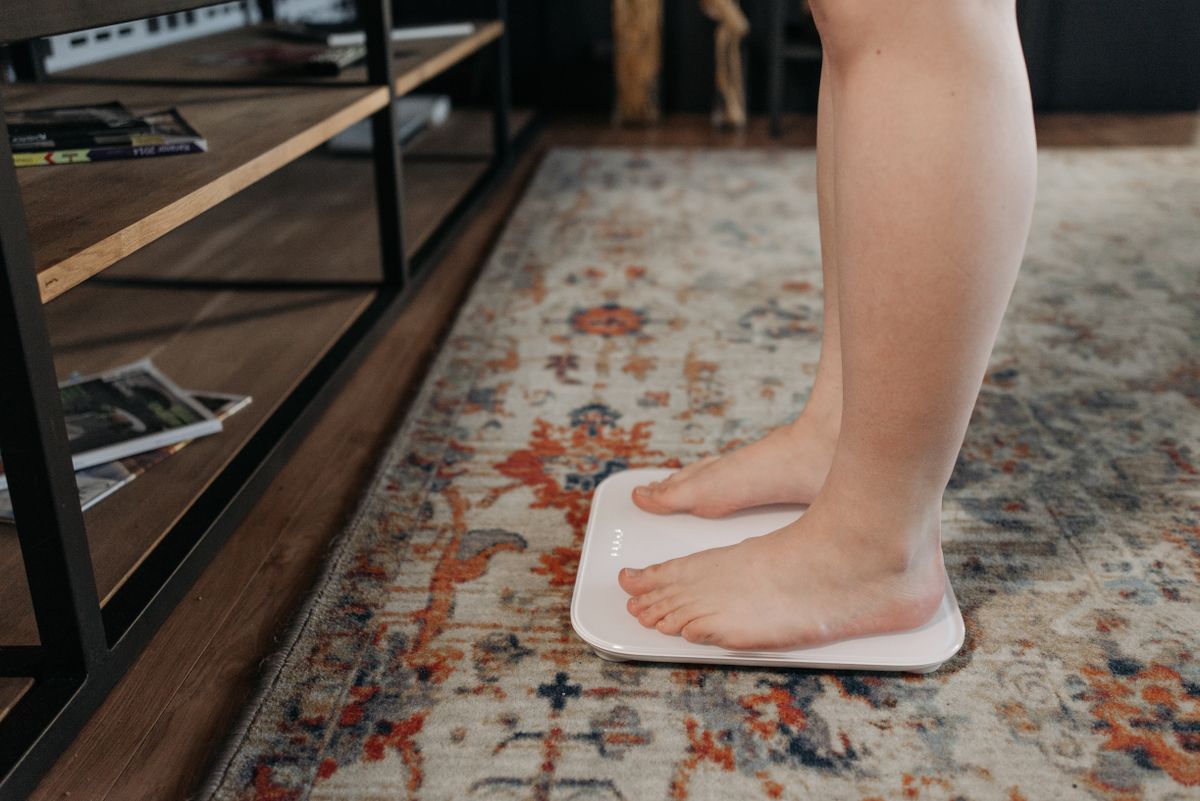
Photo: Pavel Danilyuk via Pexels.
Your weight can rise overnight even when your eating habits have not changed. Water, food still being digested, and the time you weigh yourself all affect the number. Learn what a daily reading tells you, what it cannot tell you, and how to spot a useful trend.
You step on the scale Monday and feel encouraged. Tuesday, the number goes up. Before you decide your plan has failed, pause. A bathroom scale measures everything in your body at that moment. It does not separate body fat from water, food, and other short-term changes.
A higher number does not always mean more body fat
Body weight changes over a few days. The National Heart, Lung, and Blood Institute notes that changes in water and body fat both affect the number. That is why one reading cannot tell you how much fat you gained or lost. Read the NHLBI guidance on healthy weight.
Here are common reasons the scale changes:
- Food and drink: A meal and a glass of water have weight while they are in your body.
- Water balance: Your body does not hold the same amount of fluid every day.
- Weigh-in time: A morning reading and an evening reading are not a useful comparison.
- Menstrual-cycle changes: Some people retain more fluid at certain times in their cycle.
Researchers have observed menstrual-cycle-related changes in body weight that were largely linked to fluid retention. That is another reason to compare a longer pattern instead of reacting to one day. Read the study summary.
How to make weigh-ins more useful ⚖️
If you choose to weigh yourself, use a consistent routine:
- Use the same scale.
- Place it on a firm, level floor.
- Weigh yourself around the same time each day.
- Wear similar clothing each time.
- Write down the date and number, but don't treat it as a grade.
Once a week works well for many people. The CDC includes weekly weight recording as one way people may monitor weight maintenance. If you prefer more frequent weigh-ins, look at the pattern across several weeks rather than judging each individual reading. Read the CDC’s weight-maintenance tips.
Try a four-week trend check
Choose one day of the week and follow the same weigh-in routine for four weeks. Record the results like this:
- Week 1: Your starting reading.
- Week 2: Another data point, not a verdict.
- Week 3: Check whether a pattern is beginning to appear.
- Week 4: Compare the full set and review the habits you followed.
Four readings still will not explain everything happening in your body. They give you more context than comparing yesterday with today. If your weight stays about the same, ask whether your meals, activity, sleep, or other circumstances have changed before making a large adjustment.
Track habits alongside weight 📝
Write down one or two actions you control. You might record how often you walked, how many meals you prepared at home, or whether you kept a regular sleep schedule. Those notes help you connect your plan to your daily life.
Other signs of progress may matter to you too. Perhaps walking feels easier. Perhaps you need fewer takeout meals because you have food ready at home. The scale does not measure either improvement.
When should a weight change get your attention?
If your weight changes suddenly and you also notice swelling, shortness of breath, or another new symptom, contact a health professional. A rapid change deserves a different response from an ordinary day-to-day fluctuation. If you take medicines or manage a condition that affects fluid balance, follow the weighing instructions your care team gave you.
Frequently asked questions
Did I gain fat because the scale went up this morning?
One higher reading cannot tell you that. Look at your longer-term pattern and remember that body weight includes water and other changing contents.
Is daily weighing necessary?
No. Choose a tracking routine that gives you useful information. Weekly weigh-ins are one option.
Should I stop weighing myself if it makes me anxious?
Focus on habits and other measures of progress instead. If tracking your weight causes distress, discuss a different approach with a health professional.
Keep reading
- Lose Fat Naturally: Your Complete Guide to Sustainable Weight Loss
- Lose Fat, Gain Muscle: The Ultimate Guide
- How to Lose Visceral Fat: Risks and Reduction Strategies
Your next step: Choose a tracking routine you can live with for four weeks. Record your habits along with any weigh-ins. What helps you stay focused when the scale changes unexpectedly? Share your approach in the comments.

