Showing posts with label healthy habits. Show all posts

Friday, October 30, 2026

What to Do When Your Weight Loss Stalls

What to Do When Your Weight Loss Stalls

Woman writing in a notebook beside fresh vegetables on a kitchen counter

Photo: Katya Wolf via Pexels.

If your weight loss has stalled, start by checking the trend and reviewing your routine. A flat week does not mean your plan has failed. This guide helps you look at meals, movement, sleep, and progress before deciding whether one small adjustment would help.

You have been putting in the effort. Then the scale stops moving. It is tempting to skip meals, buy a “fat burner,” or double your workouts. Take a breath first. You need enough information to decide what, if anything, should change.

First, check whether you have a real stall

A single week at the same weight does not tell you much. Day-to-day weight changes include shifts in water and other factors. If you track your weight, use a consistent weigh-in routine and look at readings across several weeks.

Also ask what else has changed. Do your clothes fit differently? Does walking feel easier? Have you been preparing more meals at home? Those changes matter even when the scale has not caught up with your expectations.

Review what you eat and drink 🍽️

For a few days, write down your usual meals, snacks, and drinks. You are collecting information, not building a case against yourself. Look for details that are easy to miss:

  • Drinks with calories, including sweetened coffee or tea.
  • Snacks eaten while cooking or watching television.
  • Portions that have gradually become larger.
  • Sauces, dressings, and cooking oils used more often than you realized.
  • Meals skipped earlier in the day that leave you unusually hungry later.

The CDC recommends tracking food and beverages for a few days when reviewing a weight-loss plan. You do not have to record everything forever. A short, honest look may reveal a useful change. Read the CDC’s steps for losing weight.

Check your movement and recovery 🚶

Has your usual activity changed? Perhaps a sore knee shortened your walks. Perhaps your routine became easier, and you want to add a little time. Review what you actually did during the past two weeks, then choose an adjustment your body can handle.

Sleep and stress belong in the review too. The CDC includes healthy eating, regular activity, enough sleep, and stress management in its guidance for healthy weight loss. None of these habits needs to be perfect. Look for a practical improvement.

Remember that your needs can change

After weight loss, your body generally needs fewer calories at its new, lower weight. The National Institute of Diabetes and Digestive and Kidney Diseases explains that metabolism slows during weight loss. A routine that helped at the beginning may need a thoughtful adjustment later. Read the NIDDK guidance.

That does not mean you should suddenly eat far less. Choose a manageable change, such as checking your usual portions, replacing a regular high-calorie drink, or adding activity that fits your abilities. Give the change time before deciding whether it helps.

Use this seven-day review

  1. Day 1: Look at your weight trend over several weeks, if you track it.
  2. Day 2: Write down what you eat and drink during a normal day.
  3. Day 3: Notice when you snack and whether you were hungry.
  4. Day 4: Record your activity, including short walks and daily movement.
  5. Day 5: Check your sleep routine and how you have been feeling.
  6. Day 6: Pick one change you are willing to repeat.
  7. Day 7: Make a simple plan to continue it next week.

One change gives you a clearer answer than changing everything at once. It also gives you a better chance of sticking with your plan.

When should you ask for help?

If your weight changes unexpectedly, you feel unwell, or pain limits your activity, speak with a health professional. Medicines and medical conditions can affect weight management. A registered dietitian or other qualified professional can help you build a plan suited to your health needs.

Frequently asked questions

How long should I wait before changing my plan?

Do not react to one unchanged reading. Review a longer pattern and your daily habits first. If your progress has been flat for several weeks, use what you learned to choose one reasonable adjustment.

Should I eat as little as possible to restart weight loss?

No. An extreme plan is hard to maintain and may leave you short of the nutrition you need. Aim for an eating pattern that supports your health and fits your life.

Does a stalled scale mean exercise is useless?

No. Physical activity supports health even when a scale reading stays the same. It also helps maintain weight loss.

Keep reading

Your next step: Review seven ordinary days before making a change. Then choose one action you can repeat. Have you worked through a weight-loss stall before? Tell us what helped in the comments.

Friday, October 16, 2026

Why Your Weight Changes From Day to Day

Why Your Weight Changes From Day to Day

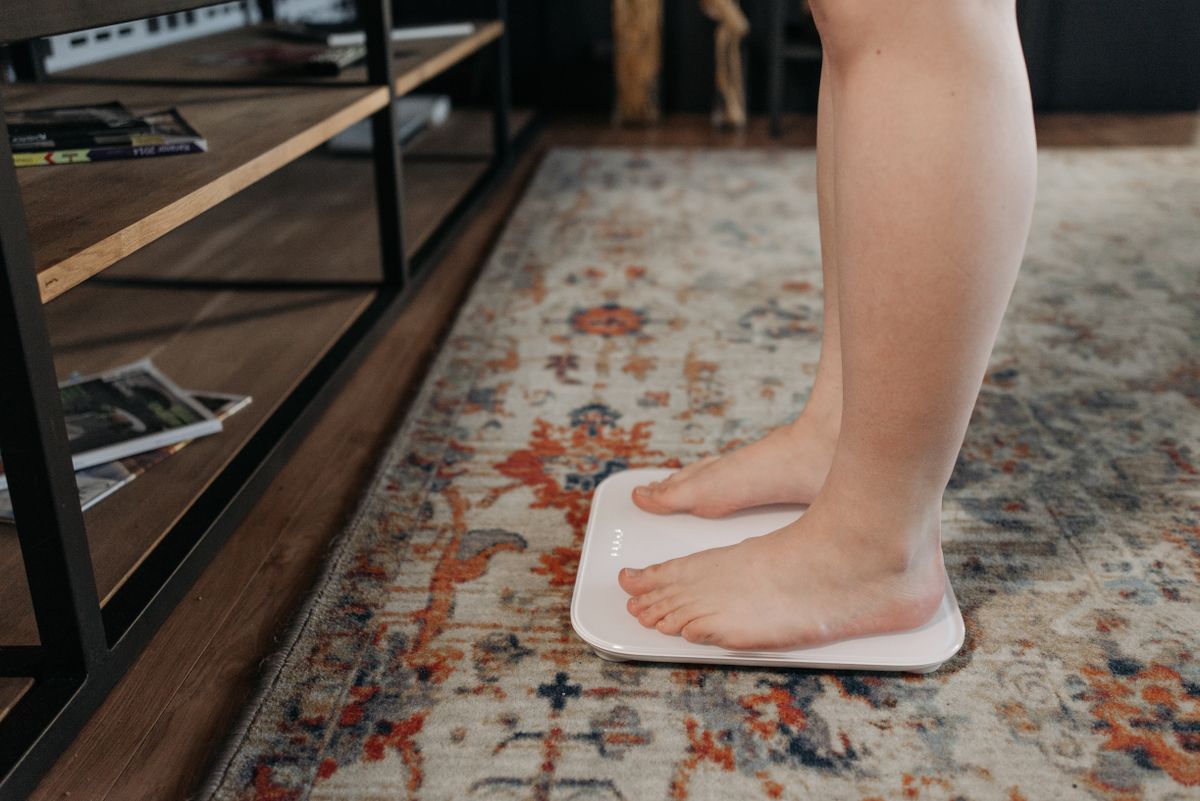
Person standing on a digital bathroom scale at home

Photo: Pavel Danilyuk via Pexels.

Your weight can rise overnight even when your eating habits have not changed. Water, food still being digested, and the time you weigh yourself all affect the number. Learn what a daily reading tells you, what it cannot tell you, and how to spot a useful trend.

You step on the scale Monday and feel encouraged. Tuesday, the number goes up. Before you decide your plan has failed, pause. A bathroom scale measures everything in your body at that moment. It does not separate body fat from water, food, and other short-term changes.

A higher number does not always mean more body fat

Body weight changes over a few days. The National Heart, Lung, and Blood Institute notes that changes in water and body fat both affect the number. That is why one reading cannot tell you how much fat you gained or lost. Read the NHLBI guidance on healthy weight.

Here are common reasons the scale changes:

  • Food and drink: A meal and a glass of water have weight while they are in your body.
  • Water balance: Your body does not hold the same amount of fluid every day.
  • Weigh-in time: A morning reading and an evening reading are not a useful comparison.
  • Menstrual-cycle changes: Some people retain more fluid at certain times in their cycle.

Researchers have observed menstrual-cycle-related changes in body weight that were largely linked to fluid retention. That is another reason to compare a longer pattern instead of reacting to one day. Read the study summary.

How to make weigh-ins more useful ⚖️

If you choose to weigh yourself, use a consistent routine:

  1. Use the same scale.
  2. Place it on a firm, level floor.
  3. Weigh yourself around the same time each day.
  4. Wear similar clothing each time.
  5. Write down the date and number, but don't treat it as a grade.

Once a week works well for many people. The CDC includes weekly weight recording as one way people may monitor weight maintenance. If you prefer more frequent weigh-ins, look at the pattern across several weeks rather than judging each individual reading. Read the CDC’s weight-maintenance tips.

Try a four-week trend check

Choose one day of the week and follow the same weigh-in routine for four weeks. Record the results like this:

  • Week 1: Your starting reading.
  • Week 2: Another data point, not a verdict.
  • Week 3: Check whether a pattern is beginning to appear.
  • Week 4: Compare the full set and review the habits you followed.

Four readings still will not explain everything happening in your body. They give you more context than comparing yesterday with today. If your weight stays about the same, ask whether your meals, activity, sleep, or other circumstances have changed before making a large adjustment.

Track habits alongside weight 📝

Write down one or two actions you control. You might record how often you walked, how many meals you prepared at home, or whether you kept a regular sleep schedule. Those notes help you connect your plan to your daily life.

Other signs of progress may matter to you too. Perhaps walking feels easier. Perhaps you need fewer takeout meals because you have food ready at home. The scale does not measure either improvement.

When should a weight change get your attention?

If your weight changes suddenly and you also notice swelling, shortness of breath, or another new symptom, contact a health professional. A rapid change deserves a different response from an ordinary day-to-day fluctuation. If you take medicines or manage a condition that affects fluid balance, follow the weighing instructions your care team gave you.

Frequently asked questions

Did I gain fat because the scale went up this morning?

One higher reading cannot tell you that. Look at your longer-term pattern and remember that body weight includes water and other changing contents.

Is daily weighing necessary?

No. Choose a tracking routine that gives you useful information. Weekly weigh-ins are one option.

Should I stop weighing myself if it makes me anxious?

Focus on habits and other measures of progress instead. If tracking your weight causes distress, discuss a different approach with a health professional.

Keep reading

Your next step: Choose a tracking routine you can live with for four weeks. Record your habits along with any weigh-ins. What helps you stay focused when the scale changes unexpectedly? Share your approach in the comments.

Friday, October 9, 2026

Does Walking Slowly Still Count? A Gentle Plan for Better Health

Does Walking Slowly Still Count? A Gentle Plan for Better Health

Two older adults walking together along a green park path

Photo: Rollz International via Pexels.

Walking slowly still counts as movement. A gentle walk gives you a place to start, especially if pain or limited stamina makes brisk walking difficult. Learn how to choose a comfortable pace, build a repeatable routine, and notice progress beyond the scale.

“Walk faster” is easy advice to give when you are not the person taking the steps. If your hips hurt, your balance feels uncertain, or you tire quickly, speed is the wrong first goal. Begin with a route and pace you can manage safely. Then build from there.

Does a slow walk count as exercise?

Yes. Walking slowly is physical activity. The health benefits and effort level depend on the person and the pace. A slow walk may be light activity for one person and feel much more demanding for someone else.

Federal guidance says any amount of physical activity offers some health benefit. For adults who are able to do it, the longer-term target is at least 150 minutes a week of moderate-intensity aerobic activity, along with muscle-strengthening activity on two days. That target is a direction to work toward. It is not an entrance requirement for your first walk. Read the federal physical activity guidance.

How do you judge your pace? 🚶

Pay attention to your breathing and how your body feels. During moderate-intensity activity, you can usually talk but would have trouble singing. If you can sing comfortably, your pace is likely lighter. Both give you a way to move.

Do not force a brisk pace to make a walk “count.” If walking causes increasing pain, dizziness, or other concerning symptoms, stop. If a condition affects safe movement, ask a health professional which activity and amount suit you.

A gentle two-week walking plan

Use this plan as a starting example. Shorten a session, take a rest day, or repeat a week if your body needs it. Choose a level route with a place to sit when possible.

Week 1: Find a comfortable routine

  • Day 1: Walk for five comfortable minutes. Turn back sooner if needed.
  • Day 2: Rest or do a few minutes of gentle movement at home.
  • Day 3: Repeat your walk. Notice how you feel afterward.
  • Day 4: Rest or choose an activity that feels comfortable.
  • Day 5: Walk again. Keep the same pace and time if they worked well.
  • Days 6 and 7: Walk if you feel ready, or recover and prepare for next week.

Week 2: Add a little, if you are ready

Try walking on three or four days. If five minutes felt manageable during week one, add a minute or two to some walks. You don't need to increase both your speed and your time at once.

If five minutes was too much, choose a shorter distance or split the movement into brief sessions. The goal is to find an amount you can repeat.

What if walking is not the right activity for you?

Walking is one option, not a test you must pass. Depending on your abilities, seated movement, wheeling, or another activity may fit better. The CDC encourages adults with disabilities to be active according to their abilities when they cannot meet the usual activity targets. Read the CDC’s guidance for adults with disabilities.

If joint pain or a health condition limits you, a physical therapist or another health professional can help you choose a safer starting point. That advice is especially useful when you are unsure whether an activity is making a condition worse.

Will slow walking make belly fat disappear?

No activity removes fat from one chosen body part. Walking supports your health and can help with weight management. Your eating pattern matters too. The CDC explains that physical activity and changes to food intake work together in weight loss and maintenance. Read the CDC’s guidance on activity and weight.

A useful walking goal is one you can control: how often you go, how long you move comfortably, and how you feel afterward. Do not judge the value of a walk by what the scale says the next morning.

Three ways to make walking easier to repeat

  1. Attach it to an existing habit. Try a short walk after breakfast or before an evening television show.
  2. Prepare your route. Choose good lighting, an even surface, and a distance that lets you return comfortably.
  3. Record one useful detail. Write down your minutes, route, or comfort level. A simple note helps you see whether your plan fits.

Frequently asked questions

Do I need 10,000 steps a day?

No. You do not need a step-count target to begin. Start with an amount of activity you can manage, then build gradually.

Is one long walk better than several short walks?

Choose the pattern that works for your body and schedule. Short sessions give many people a manageable starting point.

Should I walk every day?

You do not have to start with daily walks. Rest and adjust your plan when needed. Consistency over time matters more than completing a perfect week.

Keep reading

Your next step: Pick one safe route and a comfortable amount of time. Try it once, see how you feel, and use that experience to plan your next walk. What makes walking easier for you? Share your tip in the comments.

Friday, September 25, 2026

How to Start Losing Weight When Exercise Hurts

How to Start Losing Weight When Exercise Hurts

Two older adults walking together in a park, with one using a rollator

Photo: Rollz International via Pexels.

If exercise hurts, you don't need to start with a hard workout. Start with movement your body can tolerate, make small changes to your meals, and build a routine you can repeat. This guide offers a practical first week for people with sore joints or limited mobility.

“Move more” sounds simple until your knees, hips, or back object. Then every fitness plan seems to begin three steps ahead of where you are. You still have a place to start. You need a plan built around what you can do today.

First, separate discomfort from pain

Some effort is normal when you become more active. Stop if you have sharp pain, dizziness, chest pain, or movement that makes an injury worse. If a health condition or ongoing pain limits you, ask a health professional or physical therapist which activities fit your situation. You do not need to guess your way through it.

The goal for your first week is simple: find a manageable amount of movement and repeat it. Federal physical activity guidance says even small amounts of activity offer health benefits. Adults who cannot meet the usual activity targets should be active according to their abilities. Read the federal physical activity guidance.

Choose your starting point 🚶

Pick one option that suits your body and your surroundings:

  • If walking feels comfortable: Walk for five minutes at an easy pace. A hallway, driveway, or nearby path counts.
  • If standing is difficult: Sit in a sturdy chair and gently move your arms and legs through a comfortable range of motion for a few minutes.
  • If you use a mobility aid: Choose a safe route or an activity designed for your abilities. The aim is regular movement, not a particular kind of movement.

Start slowly. If the activity feels manageable during and after it, repeat it the next day. Add time gradually instead of trying to make up for years of inactivity in one afternoon.

Make food changes you can keep 🍽️

Movement helps your health, but it does not need to carry your entire weight-loss plan. Eating patterns matter too. For the first week, choose one change you can see and repeat:

  • Replace one sugar-sweetened drink with water or an unsweetened option.
  • Add a vegetable or fruit to one meal each day.
  • Put your usual snack on a plate so you can see the portion before eating.
  • Include a satisfying source of protein, such as eggs, beans, fish, yogurt, or chicken, in a meal.

You do not need to follow every suggestion. Choose the one that fits your grocery budget and daily routine. The National Institute of Diabetes and Digestive and Kidney Diseases recommends an eating plan you can maintain over time. Read its guidance on eating and physical activity.

Your first seven days

  1. Day 1: Pick one comfortable movement and try it for a few minutes. Note how you feel afterward.
  2. Day 2: Repeat the movement. Choose one food or drink change for the week.
  3. Day 3: Keep the same plan. Notice whether the activity feels easier, harder, or about the same.
  4. Day 4: Take a lighter day if your body needs one. Gentle activity still counts.
  5. Day 5: Repeat your movement. Add a little time only if you feel ready.
  6. Day 6: Review your meals and drinks without judging yourself. Look for one change you want to keep.
  7. Day 7: Decide what your next week should look like. A routine you can repeat beats an ambitious plan you abandon.

How will you know you are making progress?

Your weight is one measure, but it is not the only useful one. Notice whether you move more comfortably, recover well after activity, or repeat your food choice more often. If you track your weight, look at the pattern over time instead of treating one reading as a verdict.

Healthy weight loss usually takes time. The CDC says people who lose weight at a gradual pace of about one to two pounds per week are more likely to keep it off than people who lose weight faster. Your own pace will vary. Read the CDC’s steps for losing weight.

Frequently asked questions

Do I have to walk to lose weight?

No. Walking is one option. People with disabilities and mobility limits can use activities suited to their abilities. Your food choices also play a part in weight management.

Will five minutes of movement make a difference?

Five minutes gives you a repeatable starting point. Any amount of physical activity offers health benefits. Build gradually as your body allows.

Should I push through joint pain?

Do not treat worsening pain as a fitness target. Stop the activity and get advice from a health professional when pain persists, increases, or limits normal movement.

Keep reading

Your next step: Choose one comfortable movement and one manageable food change. Write them down, try them for seven days, and adjust based on how your body responds. What is the first change you plan to make? Share it in the comments.

How to Lose That Fat