What to Do When Your Weight Loss Stalls

Photo: Katya Wolf via Pexels.
If your weight loss has stalled, start by checking the trend and reviewing your routine. A flat week does not mean your plan has failed. This guide helps you look at meals, movement, sleep, and progress before deciding whether one small adjustment would help.
You have been putting in the effort. Then the scale stops moving. It is tempting to skip meals, buy a “fat burner,” or double your workouts. Take a breath first. You need enough information to decide what, if anything, should change.
First, check whether you have a real stall
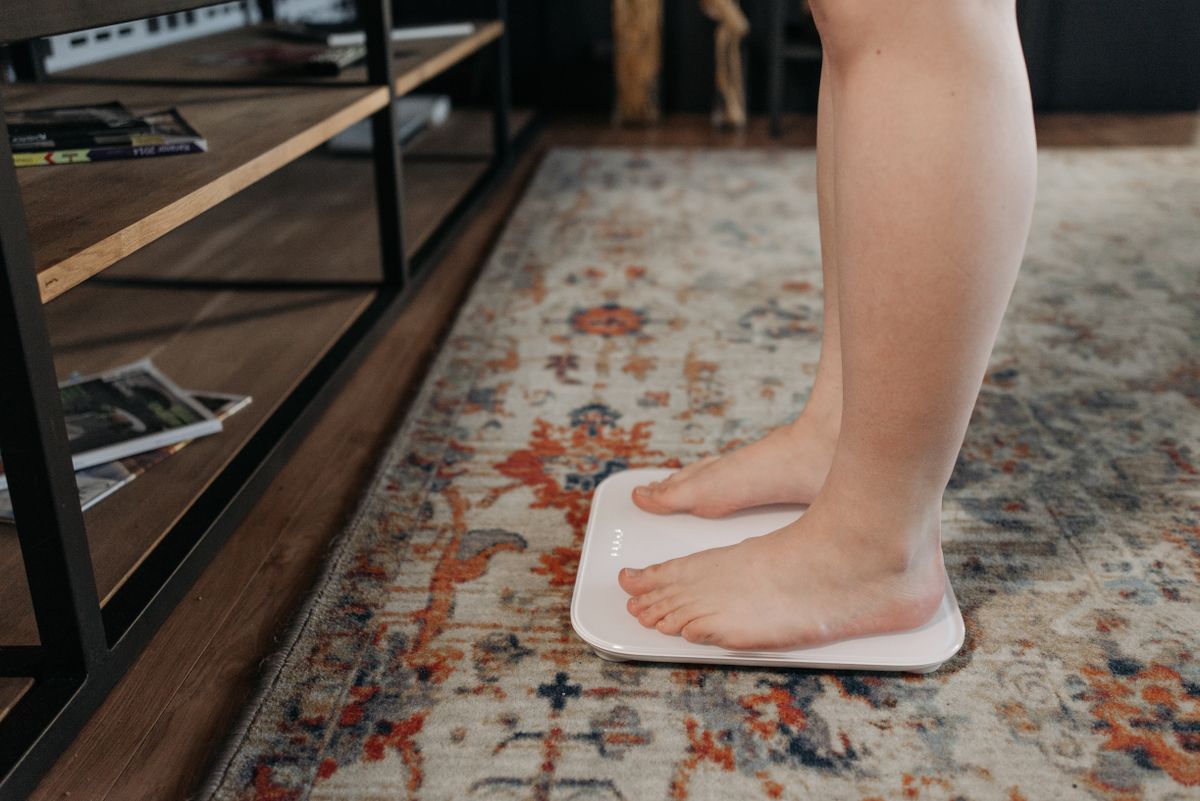
A single week at the same weight does not tell you much. Day-to-day weight changes include shifts in water and other factors. If you track your weight, use a consistent weigh-in routine and look at readings across several weeks.
Also ask what else has changed. Do your clothes fit differently? Does walking feel easier? Have you been preparing more meals at home? Those changes matter even when the scale has not caught up with your expectations.
Review what you eat and drink 🍽️
For a few days, write down your usual meals, snacks, and drinks. You are collecting information, not building a case against yourself. Look for details that are easy to miss:
- Drinks with calories, including sweetened coffee or tea.
- Snacks eaten while cooking or watching television.
- Portions that have gradually become larger.
- Sauces, dressings, and cooking oils used more often than you realized.
- Meals skipped earlier in the day that leave you unusually hungry later.
The CDC recommends tracking food and beverages for a few days when reviewing a weight-loss plan. You do not have to record everything forever. A short, honest look may reveal a useful change. Read the CDC’s steps for losing weight.
Check your movement and recovery 🚶
Has your usual activity changed? Perhaps a sore knee shortened your walks. Perhaps your routine became easier, and you want to add a little time. Review what you actually did during the past two weeks, then choose an adjustment your body can handle.
Sleep and stress belong in the review too. The CDC includes healthy eating, regular activity, enough sleep, and stress management in its guidance for healthy weight loss. None of these habits needs to be perfect. Look for a practical improvement.
Remember that your needs can change
After weight loss, your body generally needs fewer calories at its new, lower weight. The National Institute of Diabetes and Digestive and Kidney Diseases explains that metabolism slows during weight loss. A routine that helped at the beginning may need a thoughtful adjustment later. Read the NIDDK guidance.
That does not mean you should suddenly eat far less. Choose a manageable change, such as checking your usual portions, replacing a regular high-calorie drink, or adding activity that fits your abilities. Give the change time before deciding whether it helps.
Use this seven-day review
- Day 1: Look at your weight trend over several weeks, if you track it.
- Day 2: Write down what you eat and drink during a normal day.
- Day 3: Notice when you snack and whether you were hungry.
- Day 4: Record your activity, including short walks and daily movement.
- Day 5: Check your sleep routine and how you have been feeling.
- Day 6: Pick one change you are willing to repeat.
- Day 7: Make a simple plan to continue it next week.
One change gives you a clearer answer than changing everything at once. It also gives you a better chance of sticking with your plan.
When should you ask for help?
If your weight changes unexpectedly, you feel unwell, or pain limits your activity, speak with a health professional. Medicines and medical conditions can affect weight management. A registered dietitian or other qualified professional can help you build a plan suited to your health needs.
Frequently asked questions
How long should I wait before changing my plan?
Do not react to one unchanged reading. Review a longer pattern and your daily habits first. If your progress has been flat for several weeks, use what you learned to choose one reasonable adjustment.
Should I eat as little as possible to restart weight loss?
No. An extreme plan is hard to maintain and may leave you short of the nutrition you need. Aim for an eating pattern that supports your health and fits your life.
Does a stalled scale mean exercise is useless?
No. Physical activity supports health even when a scale reading stays the same. It also helps maintain weight loss.
Keep reading
- Lose Fat Naturally: Your Complete Guide to Sustainable Weight Loss
- How to Lose Fat After 40: What Changes and What Works
- Lose Fat, Gain Muscle: The Ultimate Guide
Your next step: Review seven ordinary days before making a change. Then choose one action you can repeat. Have you worked through a weight-loss stall before? Tell us what helped in the comments.