Showing posts sorted by relevance for query budget. Sort by date Show all posts

Friday, October 2, 2026

The Grocery Receipt Test: Five Filling Meals From One Affordable Shopping List
The Grocery Receipt Test: Five Filling Meals From One Affordable Shopping List

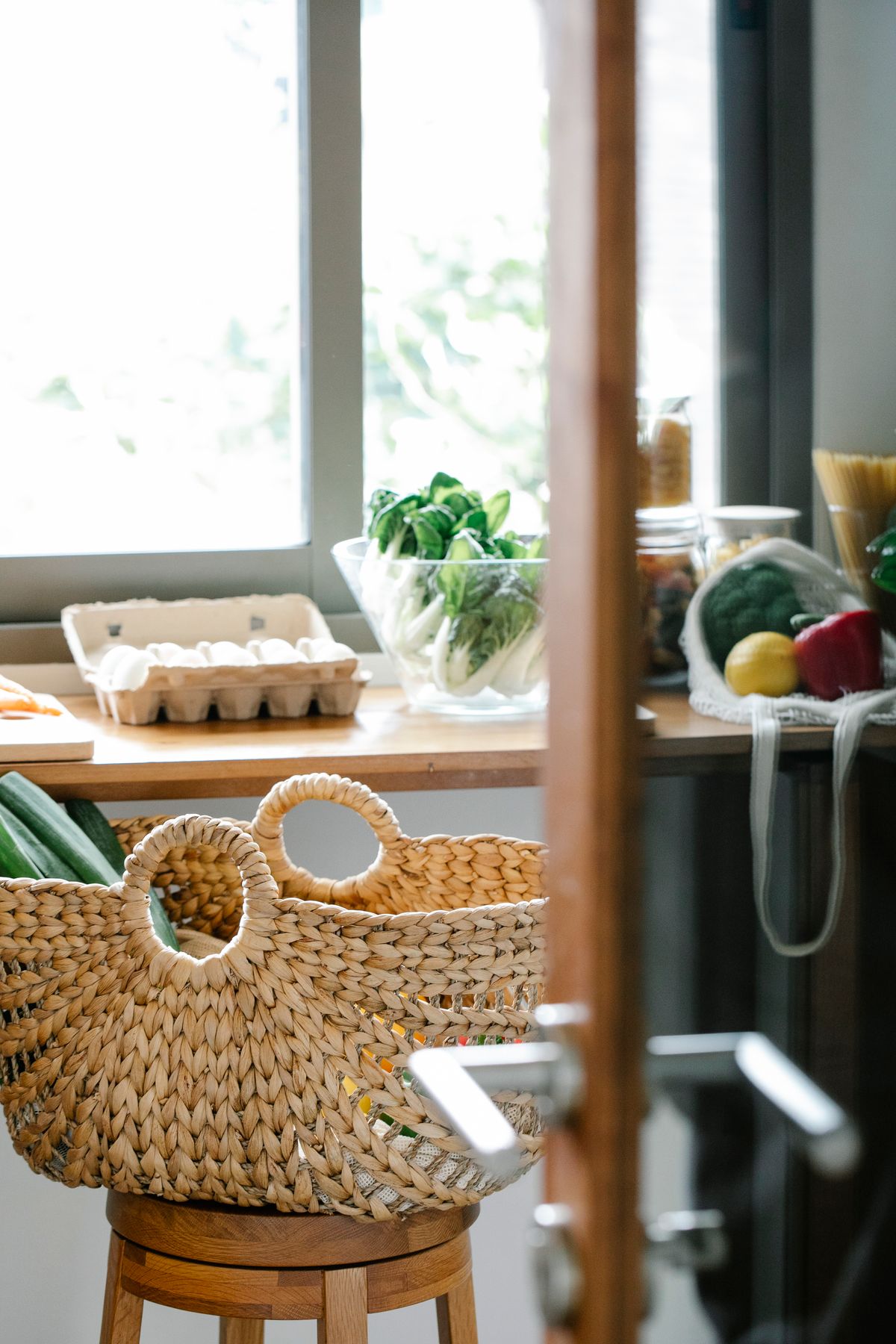
Basket of vegetables beside eggs and other ingredients in a bright kitchen

Photo: Sarah Chai via Pexels.

You do not need a cart full of specialty foods to make satisfying meals. A short grocery list with eggs, beans, oats, rice, vegetables, and fruit gives you several ways to eat well. Here are five flexible meals, plus simple swaps when prices or preferences change.

Have you ever bought ingredients for a “healthy week,” only to find half of them sitting unused in the refrigerator? The problem often starts before you cook. Each recipe asks for a different list, and the total at checkout keeps climbing.

Let’s do the grocery receipt test instead. Buy a small group of foods you enjoy, then use them in several meals. Check prices at your own store before deciding what belongs in your cart. Store brands, frozen produce, and canned foods are all options worth comparing.

The shopping list 🛒

Start by checking what you already have. Then use this list as a guide, not a required purchase:

  • Protein: Eggs, canned beans or lentils, and plain yogurt if it fits your budget.
  • Grains: Old-fashioned oats and rice. Choose the varieties you enjoy and will use.
  • Vegetables: A bag of frozen mixed vegetables, carrots, and one fresh vegetable on sale.
  • Fruit: Bananas, apples, or a bag of frozen fruit. Compare the price per serving.
  • Flavor: Onion, garlic, herbs, or spices you already own. Salsa is another easy option.

If your household eats meat, add an affordable protein you like and use it in place of beans or eggs in some meals. If you need to watch sodium, compare canned-food labels and choose lower-sodium options when available.

There is no honest single price for this list. Your total depends on your store, location, package sizes, and what is already in your kitchen. Write down your actual total. That receipt will help you improve the plan next week.

Meal 1: Oatmeal with fruit

Cook oats according to the package. Add sliced banana or another fruit. If you have plain yogurt, add a spoonful for a different texture and flavor. Cinnamon works well if you already have it in your cupboard.

Easy swap: Use frozen fruit when fresh fruit costs more. Skip expensive toppings you would buy for only one breakfast.

Meal 2: Egg and vegetable rice bowl

Cook rice and warm a portion of frozen vegetables. Add a cooked egg. Season it with pepper, garlic, herbs, or a small amount of salsa.

Easy swap: Replace the egg with beans. Leftover rice makes this meal especially quick, but refrigerate cooked rice promptly and reheat it thoroughly.

Meal 3: Bean and vegetable soup

Warm canned beans with frozen vegetables, chopped carrots, water or broth, and your favorite seasonings. Add rice for a heartier bowl. You control the thickness by adding more or less liquid.

Easy swap: Lentils work well here too. Compare broth labels if you are watching sodium.

Meal 4: Loaded baked potato or rice

If potatoes are a good buy at your store, bake one and top it with warm beans and vegetables. If rice costs less or is already in your pantry, use rice as the base instead.

Easy swap: Add plain yogurt or a spoonful of salsa for flavor. No need to buy several sauces for one meal.

Meal 5: Use-what-you-have vegetable scramble

Cook the vegetables left from earlier meals and add eggs. Serve the scramble on its own or with a small portion of rice. This meal helps you finish ingredients before they go to waste.

Easy swap: Use beans instead of eggs to make a warm vegetable bowl.

Will these meals help with weight loss?

One grocery list does not guarantee weight loss. The amount you eat, your overall eating pattern, and other factors matter. These meals give you a practical way to plan, include a variety of foods, and notice your portions without buying products marketed as “fat burners.”

Before serving, put your meal on a plate or in a bowl. Eat, then decide whether you are still hungry. Packaging and oversized servings make it easy to lose track of how much you have eaten.

The CDC recommends planning meals and keeping nutritious options available at home. MyPlate also recommends planning around foods your household likes and combining fresh, frozen, and shelf-stable ingredients. Read the CDC’s meal-planning tips and MyPlate’s budget planning advice.

Try the receipt test for one week

  1. Look in your refrigerator, freezer, and pantry before shopping.
  2. Choose three to five meals that share ingredients.
  3. Compare unit prices and buy quantities your household will use.
  4. Keep the receipt and note which ingredients lasted all week.
  5. Next time, buy less of what went unused and more of what helped you make meals.

A low-priced food is no bargain if you throw it away. The best list is one that works in your kitchen.

Frequently asked questions

Are frozen vegetables as useful as fresh vegetables?

Yes. Frozen vegetables are a convenient way to keep produce available. Compare ingredients and sauces if you want more control over added salt or other ingredients.

Do I need to buy organic food?

No. Build your list around the foods you enjoy and the prices you can afford. A practical plan you follow matters more than an expensive label.

What if I do not like beans?

Use another protein you enjoy and can afford. Eggs, yogurt, fish, chicken, tofu, or lentils may fit, depending on your needs and your store's prices.

Keep reading

Your next step: Pick two meals from this list and price their shared ingredients at your usual store. What is one affordable food you rely on when you want a filling meal? Tell us in the comments.

Friday, September 25, 2026

How to Start Losing Weight When Exercise Hurts

How to Start Losing Weight When Exercise Hurts

Two older adults walking together in a park, with one using a rollator

Photo: Rollz International via Pexels.

If exercise hurts, you don't need to start with a hard workout. Start with movement your body can tolerate, make small changes to your meals, and build a routine you can repeat. This guide offers a practical first week for people with sore joints or limited mobility.

“Move more” sounds simple until your knees, hips, or back object. Then every fitness plan seems to begin three steps ahead of where you are. You still have a place to start. You need a plan built around what you can do today.

First, separate discomfort from pain

Some effort is normal when you become more active. Stop if you have sharp pain, dizziness, chest pain, or movement that makes an injury worse. If a health condition or ongoing pain limits you, ask a health professional or physical therapist which activities fit your situation. You do not need to guess your way through it.

The goal for your first week is simple: find a manageable amount of movement and repeat it. Federal physical activity guidance says even small amounts of activity offer health benefits. Adults who cannot meet the usual activity targets should be active according to their abilities. Read the federal physical activity guidance.

Choose your starting point 🚶

Pick one option that suits your body and your surroundings:

  • If walking feels comfortable: Walk for five minutes at an easy pace. A hallway, driveway, or nearby path counts.
  • If standing is difficult: Sit in a sturdy chair and gently move your arms and legs through a comfortable range of motion for a few minutes.
  • If you use a mobility aid: Choose a safe route or an activity designed for your abilities. The aim is regular movement, not a particular kind of movement.

Start slowly. If the activity feels manageable during and after it, repeat it the next day. Add time gradually instead of trying to make up for years of inactivity in one afternoon.

Make food changes you can keep 🍽️

Movement helps your health, but it does not need to carry your entire weight-loss plan. Eating patterns matter too. For the first week, choose one change you can see and repeat:

  • Replace one sugar-sweetened drink with water or an unsweetened option.
  • Add a vegetable or fruit to one meal each day.
  • Put your usual snack on a plate so you can see the portion before eating.
  • Include a satisfying source of protein, such as eggs, beans, fish, yogurt, or chicken, in a meal.

You do not need to follow every suggestion. Choose the one that fits your grocery budget and daily routine. The National Institute of Diabetes and Digestive and Kidney Diseases recommends an eating plan you can maintain over time. Read its guidance on eating and physical activity.

Your first seven days

  1. Day 1: Pick one comfortable movement and try it for a few minutes. Note how you feel afterward.
  2. Day 2: Repeat the movement. Choose one food or drink change for the week.
  3. Day 3: Keep the same plan. Notice whether the activity feels easier, harder, or about the same.
  4. Day 4: Take a lighter day if your body needs one. Gentle activity still counts.
  5. Day 5: Repeat your movement. Add a little time only if you feel ready.
  6. Day 6: Review your meals and drinks without judging yourself. Look for one change you want to keep.
  7. Day 7: Decide what your next week should look like. A routine you can repeat beats an ambitious plan you abandon.

How will you know you are making progress?

Your weight is one measure, but it is not the only useful one. Notice whether you move more comfortably, recover well after activity, or repeat your food choice more often. If you track your weight, look at the pattern over time instead of treating one reading as a verdict.

Healthy weight loss usually takes time. The CDC says people who lose weight at a gradual pace of about one to two pounds per week are more likely to keep it off than people who lose weight faster. Your own pace will vary. Read the CDC’s steps for losing weight.

Frequently asked questions

Do I have to walk to lose weight?

No. Walking is one option. People with disabilities and mobility limits can use activities suited to their abilities. Your food choices also play a part in weight management.

Will five minutes of movement make a difference?

Five minutes gives you a repeatable starting point. Any amount of physical activity offers health benefits. Build gradually as your body allows.

Should I push through joint pain?

Do not treat worsening pain as a fitness target. Stop the activity and get advice from a health professional when pain persists, increases, or limits normal movement.

Keep reading

Your next step: Choose one comfortable movement and one manageable food change. Write them down, try them for seven days, and adjust based on how your body responds. What is the first change you plan to make? Share it in the comments.

Friday, October 23, 2026

How to Read a Nutrition Label When You Want to Lose Weight

How to Read a Nutrition Label When You Want to Lose Weight

Shopper reading a food package label in a grocery store

Photo: Laura James via Pexels.

A Nutrition Facts label helps you compare foods without trusting claims on the front of the package. Start with serving size, then check calories and the nutrients that matter for your goals. This guide shows you how to make a useful comparison in the grocery aisle.

“High protein.” “Low sugar.” “Better for you.” Food packages make plenty of promises. Turn the package over before you decide. The Nutrition Facts label tells you what the numbers apply to, and that is where a useful comparison starts.

Step 1: Find the serving size first 🔎

Every number on the label refers to a stated serving size. Look at the serving size and the number of servings per container. Then think about the amount you normally eat.

For example, if a package lists two servings and you eat the whole package, you consume twice the calories and nutrients listed for one serving. Some packages show two columns: one for a serving and one for the entire container. See the FDA’s guide to serving sizes.

The printed serving size describes an amount people typically consume. It is not an instruction telling you how much you must eat.

Step 2: Check calories in the amount you will eat

Calories tell you how much energy a serving provides. They matter when you are managing your weight, but a low-calorie label does not automatically make a food the better choice. Consider whether the food is satisfying and how it fits with the rest of your meal.

Most of all, compare the same amount. A smaller serving size can make one package look lower in calories even when the foods are similar.

Step 3: Choose the nutrients you want to compare

You don't need to study every line on every shopping trip. Pick the details relevant to your needs:

  • Dietary fiber: Useful to compare when choosing cereals, breads, and other grain foods.
  • Added sugars: Especially useful for comparing flavored yogurt, cereal, drinks, and snacks.
  • Sodium: Worth checking in soups, sauces, frozen meals, and canned foods.
  • Protein: Helpful when comparing foods you plan to use as part of a meal.
  • Saturated fat: Another useful comparison between similar packaged foods.

Your priorities may differ if you manage diabetes, kidney disease, high blood pressure, or another condition. Follow the guidance your health professional has given you.

What does “% Daily Value” mean?

The % Daily Value, or %DV, shows how much one serving contributes to a daily reference amount for a nutrient. The FDA offers a quick guide: 5% DV or less is considered low, and 20% DV or more is considered high.

Use that shortcut to look for more of nutrients such as fiber and less of nutrients such as sodium, saturated fat, and added sugars when comparing similar products. The daily reference values are general guides, not a personal meal prescription. Read the FDA’s %DV explanation.

Try a grocery-aisle comparison 🛒

The following numbers are illustrative, not from actual products. Imagine you are choosing between two cereals. Each label lists a different serving size:

Label detail Cereal A Cereal B
Serving size 1 cup ½ cup
Calories per serving 150 100
Fiber per serving 5 g 1 g
Added sugars per serving 3 g 6 g

At first glance, Cereal B appears lower in calories. But its listed serving is half as large. If you eat one cup of Cereal B, the illustration becomes 200 calories, 2 grams of fiber, and 12 grams of added sugars. Comparing one cup with one cup changes the picture.

Do this with the foods you actually buy. You might choose differently based on taste, price, serving amount, and how you plan to eat the food. The label gives you information. You make the decision.

Do not let the front of the package make the choice for you

Words such as “natural” or “fit” do not replace a label comparison. A product marketed for weight loss still needs to fit your budget, preferences, and overall eating pattern.

Keep the process short: compare two similar foods, check their serving sizes, and look at two or three numbers you care about. After a few shopping trips, you will know your regular choices without rereading every package.

Frequently asked questions

Should I choose the food with the fewest calories?

Not automatically. Compare equal amounts and consider the nutrients, your appetite, and how the food fits into a meal.

Are total sugars and added sugars the same thing?

No. Total sugars include sugars naturally present in a food as well as added sugars. The added sugars line shows the sugars added during processing or preparation. See the FDA’s explanation.

Do I need to count every calorie?

No. Reading labels can help you compare products and understand portions without tracking every food you eat.

Keep reading

Your next step: On your next grocery trip, compare two versions of a food you already buy. Check the serving size first, then pick two other label details that matter to you. What comparison surprised you? Share it in the comments.

How to Lose That Fat