Showing posts sorted by relevance for query breakfast. Sort by date Show all posts

Friday, July 3, 2026

Your Grocery Store Sells a Natural Version of Ozempic | Most People Walk Right Past It


Your Grocery Store Sells a Natural Version of Ozempic. Most People Walk Right Past It

Colorful array of high-protein and high-fiber foods on a wooden surface including eggs salmon avocado and lentils

Certain foods trigger the same GLP-1 hormones as Ozempic. SGM T. lists exactly what they are and how to eat them.

GLP-1 — glucagon-like peptide 1 — is a hormone your gut produces naturally. It tells your brain you're full. It slows gastric emptying. It reduces appetite. It improves insulin sensitivity. It's why Ozempic and Wegovy work — they're synthetic versions of this hormone your body already makes. Here's what almost nobody tells you: certain foods powerfully stimulate your body's own GLP-1 production. Not supplements. Not powders. Real, affordable food at any grocery store. SGM T. is on prescription GLP-1 now, but this list is what he eats to amplify the medication's effects — and what people who can't afford or access the prescription use instead.

📌 Quick Summary

  • GLP-1 is a naturally occurring gut hormone that prescription medications like Ozempic and Wegovy synthetically mimic — and certain foods powerfully stimulate your body's own production of it.
  • Combining natural GLP-1-boosting foods with medication amplifies results; using them without medication provides meaningful benefit for appetite regulation and fat loss.
  • The most powerful GLP-1 stimulating foods are high-protein, high-fiber options that most healthy eating advice already recommends — but rarely explains the mechanism behind.

💡 The Real Story

Natural GLP-1 boosting foods represent one of the most actionable and underutilized fat loss strategies available — for people on GLP-1 medication who want to amplify their results, for people who have stopped GLP-1 and want to prevent regain, and for people who want an affordable alternative. SGM T. uses this list daily alongside his prescription.

📖 What SGM T. Found Out

🛒 The Natural GLP-1 Boosting Grocery List

  • ✦ Eggs: one of the most potent GLP-1 stimulators in whole food form — 2 eggs at breakfast can reduce appetite for 4–6 hours through GLP-1 activation
  • ✦ Wild-caught salmon and fatty fish: omega-3 fatty acids directly upregulate GLP-1 receptor sensitivity in the gut
  • ✦ Avocado: monounsaturated fats trigger GLP-1 release and extend the satiety signal significantly
  • ✦ Oats and barley (beta-glucan fiber): fermented by gut bacteria into short-chain fatty acids that directly stimulate GLP-1 release
  • ✦ Legumes (lentils, black beans, chickpeas): soluble fiber plus protein combination produces one of the strongest natural GLP-1 responses of any food category
  • ✦ Green leafy vegetables: insoluble fiber feeds gut bacteria that produce GLP-1-stimulating metabolites
  • ✦ Whey protein: triggers the fastest and most potent GLP-1 response of any single macronutrient — a small shake before meals measurably reduces food intake

🍽️ How to Eat These Foods for Maximum GLP-1 Effect

  • ✦ Eat protein-first at every meal — it reaches the GLP-1-producing L-cells in the small intestine faster when not mixed with carbohydrates first
  • ✦ Add fiber to every protein meal — fiber slows gastric emptying and extends the GLP-1 signal duration
  • ✦ Don't skip breakfast: the morning GLP-1 response is strongest, and skipping it eliminates the most powerful appetite-suppression window of the day
  • ✦ For people on medication: eating these foods amplifies your prescription's effect — they work through the same receptor pathway
  • ✦ For people coming off GLP-1: this list is your bridge — it maintains the hormonal appetite control that the medication was providing

❓ Real Questions, Real Answers

Q1: Can natural GLP-1 foods replace Ozempic or Wegovy?
Not at the same potency — prescription GLP-1 medications produce significantly higher blood levels than food can. However, for mild-to-moderate appetite control and metabolic support, natural GLP-1 stimulation through diet produces meaningful and measurable results. For people transitioning off medication, this dietary approach is the closest natural equivalent available.

Q2: Why doesn't Tamiko's seafood-and-chicken diet produce GLP-1 benefits?
Because she eats one meal a day. The GLP-1 appetite-control benefit requires regular stimulation across the day. One large protein meal produces one GLP-1 pulse, followed by a long fasting window where the hormone drops. Distributing her excellent protein choices across 2–3 smaller eating occasions would dramatically improve her GLP-1 profile.

Q3: What is the best single food to add for natural GLP-1?
Eggs at breakfast. The research on egg consumption and GLP-1 activation is the most consistent across multiple studies. Two eggs within an hour of waking — before coffee — produces a meaningful GLP-1 pulse that suppresses appetite, manages cortisol, and provides protein for muscle preservation.

Q4: Does SGM T. eat any of these foods daily?
He's working on it. His current challenge is his morning routine — coffee before food means he's missing the most powerful GLP-1 stimulation window of the day. He's adding two hard-boiled eggs to his morning protocol this month and will report back.

📙 SGM T. Recommends: Optimum Nutrition Gold Standard Whey Protein — the highest-quality whey for triggering GLP-1 response before meals. → View on Amazon

🔐 Affiliate Disclaimer: As an Amazon Associate, SGM T. earns from qualifying purchases at no extra cost to you. He only recommends products he has personally used or thoroughly researched.

💬 Which of these natural GLP-1 foods are already in your diet — and which ones surprised you? SGM T. wants to know what's working for real people in real kitchens. Drop your grocery list in the comments.

📊 How to Eat Your Way to Higher GLP-1 Levels — And Stack These With Your Medication


Friday, July 24, 2026

You Haven't Eaten a Thing Yet and Your Body Is Already Storing Fat


You Haven't Eaten a Thing Yet and Your Body Is Already Storing Fat

African American man in his late 60s with a visible belly sitting at a computer desk in the early morning holding a coffee mug, not yet having eaten

Your morning routine might be programming your body to store fat before you eat a single bite. SGM T explains the fix.

Here is SGM T.'s morning, documented honestly: alarm goes off, hit snooze once or twice, shuffle to the computer, pour a coffee with cream and sugar, open the browser, and start working on this blog. First food? Somewhere around 1 or 2 in the afternoon, if he remembers. He has been doing this for years. And it turns out the first 90 minutes of his day have been sending his body a fat-storage signal so powerful that even his GLP-1 medication has been fighting uphill because of it. If your morning looks anything like this, this post is the one that might change everything.

📌 Quick Summary

  • The first 90 minutes after waking are the most hormonally active period of the day — and most people spend them in a way that maximizes fat storage and minimizes fat burning
  • Cortisol naturally peaks within 30–45 minutes of waking — adding caffeine and skipping food during this window amplifies the fat-storage signal dramatically
  • Four specific morning habit changes produce measurable belly fat changes within 3–6 weeks — and none of them require willpower or a complete lifestyle overhaul

💡 The Real Story

Morning habits causing belly fat is one of the most counterintuitive topics on this blog — because the habits that set up fat storage in the morning are often the same ones that feel like discipline or routine. Working early. Drinking coffee first. Skipping breakfast because you're not hungry. These feel productive. Biologically, they are programming your body to store fat before your first meal arrives.

📖 What SGM T Found Out

☕ Why SGM T.'s Morning Routine Is a Fat-Storage Machine

  • ✦ Cortisol peaks naturally in the 'cortisol awakening response' — 30–45 minutes after waking — this is your body's natural morning energy surge
  • ✦ Caffeine on top of the cortisol peak amplifies cortisol further — especially on an empty stomach
  • ✦ Cream and sugar in the coffee spike insulin — now you have high cortisol AND high insulin simultaneously, the exact hormonal combination that signals fat storage in the abdomen
  • ✦ Skipping food for hours extends the cortisol elevation — the body interprets the food absence as a threat and protects its fat stores
  • ✦ By the time SGM T. eats at 1 or 2pm, his body has been in a stress-storage state for 6–8 hours straight

🛠️ The Four Morning Changes That Shift Everything

  • ✦ Change 1 — Delay the coffee: wait 90 minutes after waking before the first cup — let cortisol peak and decline naturally without caffeine amplification
  • ✦ Change 2 — Eat within 60 minutes of waking: even 2 hard-boiled eggs or a Greek yogurt signals the body that food is available and cortisol can stand down
  • ✦ Change 3 — Get 5 minutes of natural light: step outside briefly — light exposure regulates the cortisol rhythm for the entire rest of the day
  • ✦ Change 4 — Switch to black coffee or reduce sugar: the cream and sugar insulin spike first thing in the morning is one of the most direct fat-storage triggers possible

✅ SGM T.'s New Morning Protocol

  • ✦ Wake up — drink 12–16 oz of water first (rehydrates without spiking insulin)
  • ✦ Get outside for 5 minutes of morning light — even standing in the doorway counts
  • ✦ Eat 2 hard-boiled eggs or a small Greek yogurt within 45–60 minutes of waking
  • ✦ Then and only then — have the coffee (he's working on reducing the sugar)
  • ✦ Total time added to the morning: approximately 8 minutes
  • ✦ SGM T. has been running this protocol for three weeks and will report belly measurements at the 90-day mark

❓ Real Questions Real Answers

Q1: What if I'm genuinely not hungry in the morning?
The absence of morning hunger is often itself a sign of chronic cortisol elevation and metabolic dysregulation — not a sign that your body doesn't need fuel. Start with something very small: half a Greek yogurt, one egg, or even a tablespoon of peanut butter. The goal is to send the 'food is available, stand down' signal to the cortisol system, not to have a full breakfast.

Q2: Is black coffee really that different from coffee with cream and sugar?
For the cortisol-belly fat mechanism, yes — significantly. Black coffee raises cortisol mildly. Coffee with cream and sugar raises cortisol AND insulin simultaneously. The combination of the two hormones together is what creates the fat-storage signal. Black coffee on a mildly fed stomach is a very different hormonal environment than sweetened coffee on an empty stomach.

Q3: Does this morning protocol apply to Tamiko, who only eats one meal a day?
Directly and urgently, yes. Tamiko's pattern — likely no morning food, coffee or tea, work, one meal late in the day — creates the exact cortisol-amplification cycle described in this post for the maximum duration possible. Adding a small morning protein meal is the single highest-leverage change she could make to her current routine.

Q4: How long before the morning protocol affects belly fat visibly?
Most people report noticeably reduced morning bloating within 1–2 weeks. Measurable waist circumference changes typically appear at 4–8 weeks. Visible belly fat reduction from the cortisol change alone usually takes 6–12 weeks because visceral fat responds more slowly than the inflammation and fluid changes that affect the belly's appearance first.

📙 SGM T Recommends: Large 32oz Water Bottle with time markers — the first thing SGM T reaches for every morning before the coffee → View on Amazon

🔐 Affiliate Disclaimer: As an Amazon Associate, SGM T earns from qualifying purchases at no extra cost to you. He only recommends products he has personally used or thoroughly researched

💬 What does your morning look like right now — honestly? Coffee first? No food until the afternoon? Drop it in the comments, SGM T is tracking how many readers have the same morning he does

📊 The First 90 Minutes After You Wake Up Decide More About Your Belly Fat Than the Rest of the Day Combined

Thursday, June 26, 2025

Lose Fat Without Dieting: Lifestyle Habits That Burn Fat Naturally


🧘 Lose Fat Without Dieting: Lifestyle Changes That Work

Woman stretching on a balcony at sunrise with a water bottle and healthy breakfast, representing a peaceful morning routine for fat loss.

Lose Fat Without Dieting. Learn lifestyle habits, smart food swaps, and movement hacks that actually burn fat and feel amazing. Ditch extreme diets and discover how to lose fat naturally with these realistic lifestyle habits. No starvation, just smarter living.


🚫 Why Diets Don’t Work Long-Term

Let’s be real—most diets are just expensive detours to frustration. You follow strict rules, lose some weight, then BAM 💥—it creeps back. Why? Because they ignore your real life.

The truth is, sustainable fat loss happens without dieting when you change how you live—not just how you eat.

Here’s how to actually make that happen.


🌟 1. Focus on Nutrition, Not Restriction

You don’t need a complicated meal plan. You just need better habits.

🥗 Eat More of These:

  • Colorful veggies: Broccoli, bell peppers, spinach = fiber + fullness.

  • Healthy fats: Avocados, olive oil, nuts = happy hormones.

  • Lean proteins: Chicken, beans, Greek yogurt = keeps you satisfied.

🎯 Try This: Start lunch and dinner with a big salad. It fills you up and naturally reduces over-eating.

🔗 Read: 12 Foods That Help Burn Fat


💧 2. Hydration = Fat-Burning Power

Flat lay of lemon water, herbal tea, and a water tracker bottle with cucumber and mint, symbolizing hydration habits for fat loss.

Thirst often masquerades as hunger. Drink a glass of water before reaching for a snack.

💦 Quick Hydration Habits:

  • Start your day with 16 oz. of water + lemon 🍋

  • Carry a refillable water bottle and aim for 8 glasses a day

  • Try sparkling water with lime when cravings hit

📌 Bonus Tip: Add a splash of apple cider vinegar before meals to help digestion and curb cravings.


💤 3. Sleep Like It’s Your Job

Poor sleep = more cravings + slower metabolism. That’s a nasty combo.

🛏️ Sleep Tips for Fat Loss:

  • Go to bed at the same time every night 🕙

  • Make your room cool, quiet, and dark

  • Avoid screens 1 hour before bed 📵

🧠 Pro Tip: 7–9 hours of good sleep keeps your hunger hormones in check (ghrelin + leptin).


🧘‍♂️ 4. Manage Stress = Manage Your Weight

Chronic stress releases cortisol—aka the belly fat magnet. 😱

🌿 Simple Stress Busters:

  • 5-minute morning meditation 🧘‍♀️

  • Take breaks to walk outside ☀️

  • Journal 3 things you’re grateful for ✍️

Your emotional health is directly tied to your physical results.


🏃‍♀️ 5. Move More Without the Gym

Forget hour-long workouts. Just move more—your body doesn’t care where the calorie burn comes from.

🔥 Fat-Melting Movements at Home:

  • 10-minute dance breaks 💃

  • Brisk walk around the block 🚶

  • Bodyweight exercises (squats, push-ups, lunges) 🏋️

🎥 Try this 7-minute fat-burning routine at home


🧠 6. Master Your Mindset

You don’t need to be perfect. You just need to be consistent.

🧭 Mindset Shifts That Matter:

  • Aim for progress, not perfection

  • Replace “I can’t have that” with “I choose this”

  • Celebrate small wins (they add up!) 🎉


📅 Your Simple Weekly Plan

Side-by-side comparison of junk food and healthier alternatives like fruit, nuts, and yogurt with colorful labels for smart food swaps.

DayFocusAction
MondayMovementWalk 15 mins in the morning 🚶‍♂️
TuesdayHydrationTrack 8 glasses of water 💧
WednesdayNutritionPrep 2 healthy meals 🥙
ThursdaySleepIn bed by 10 PM 💤
FridayStressGratitude journaling 🌼
SaturdayActivityTry a new workout 🏃‍♀️
SundayReflectPlan meals for next week 🗓️

📚 Want to Learn More?

Here are some helpful reads:


⚠️ Affiliate Disclosure

This post may contain affiliate links. If you click on them and make a purchase, I may earn a small commission at no extra cost to you. I only recommend products I trust and love. 🙌

Lose Fat Without Dieting: Lifestyle Changes That Work

Friday, October 2, 2026

The Grocery Receipt Test: Five Filling Meals From One Affordable Shopping List

The Grocery Receipt Test: Five Filling Meals From One Affordable Shopping List

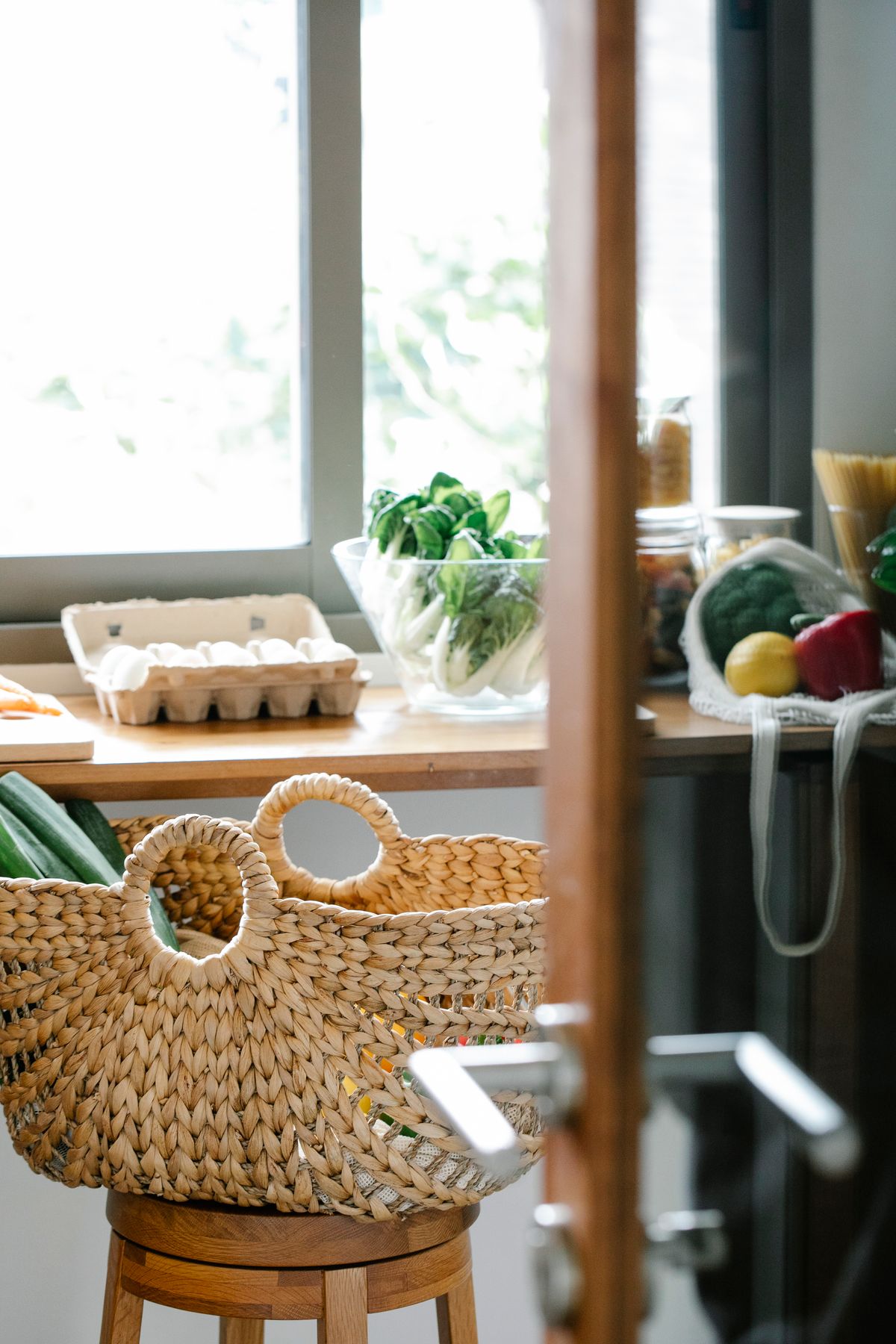
Basket of vegetables beside eggs and other ingredients in a bright kitchen

Photo: Sarah Chai via Pexels.

You do not need a cart full of specialty foods to make satisfying meals. A short grocery list with eggs, beans, oats, rice, vegetables, and fruit gives you several ways to eat well. Here are five flexible meals, plus simple swaps when prices or preferences change.

Have you ever bought ingredients for a “healthy week,” only to find half of them sitting unused in the refrigerator? The problem often starts before you cook. Each recipe asks for a different list, and the total at checkout keeps climbing.

Let’s do the grocery receipt test instead. Buy a small group of foods you enjoy, then use them in several meals. Check prices at your own store before deciding what belongs in your cart. Store brands, frozen produce, and canned foods are all options worth comparing.

The shopping list 🛒

Start by checking what you already have. Then use this list as a guide, not a required purchase:

  • Protein: Eggs, canned beans or lentils, and plain yogurt if it fits your budget.
  • Grains: Old-fashioned oats and rice. Choose the varieties you enjoy and will use.
  • Vegetables: A bag of frozen mixed vegetables, carrots, and one fresh vegetable on sale.
  • Fruit: Bananas, apples, or a bag of frozen fruit. Compare the price per serving.
  • Flavor: Onion, garlic, herbs, or spices you already own. Salsa is another easy option.

If your household eats meat, add an affordable protein you like and use it in place of beans or eggs in some meals. If you need to watch sodium, compare canned-food labels and choose lower-sodium options when available.

There is no honest single price for this list. Your total depends on your store, location, package sizes, and what is already in your kitchen. Write down your actual total. That receipt will help you improve the plan next week.

Meal 1: Oatmeal with fruit

Cook oats according to the package. Add sliced banana or another fruit. If you have plain yogurt, add a spoonful for a different texture and flavor. Cinnamon works well if you already have it in your cupboard.

Easy swap: Use frozen fruit when fresh fruit costs more. Skip expensive toppings you would buy for only one breakfast.

Meal 2: Egg and vegetable rice bowl

Cook rice and warm a portion of frozen vegetables. Add a cooked egg. Season it with pepper, garlic, herbs, or a small amount of salsa.

Easy swap: Replace the egg with beans. Leftover rice makes this meal especially quick, but refrigerate cooked rice promptly and reheat it thoroughly.

Meal 3: Bean and vegetable soup

Warm canned beans with frozen vegetables, chopped carrots, water or broth, and your favorite seasonings. Add rice for a heartier bowl. You control the thickness by adding more or less liquid.

Easy swap: Lentils work well here too. Compare broth labels if you are watching sodium.

Meal 4: Loaded baked potato or rice

If potatoes are a good buy at your store, bake one and top it with warm beans and vegetables. If rice costs less or is already in your pantry, use rice as the base instead.

Easy swap: Add plain yogurt or a spoonful of salsa for flavor. No need to buy several sauces for one meal.

Meal 5: Use-what-you-have vegetable scramble

Cook the vegetables left from earlier meals and add eggs. Serve the scramble on its own or with a small portion of rice. This meal helps you finish ingredients before they go to waste.

Easy swap: Use beans instead of eggs to make a warm vegetable bowl.

Will these meals help with weight loss?

One grocery list does not guarantee weight loss. The amount you eat, your overall eating pattern, and other factors matter. These meals give you a practical way to plan, include a variety of foods, and notice your portions without buying products marketed as “fat burners.”

Before serving, put your meal on a plate or in a bowl. Eat, then decide whether you are still hungry. Packaging and oversized servings make it easy to lose track of how much you have eaten.

The CDC recommends planning meals and keeping nutritious options available at home. MyPlate also recommends planning around foods your household likes and combining fresh, frozen, and shelf-stable ingredients. Read the CDC’s meal-planning tips and MyPlate’s budget planning advice.

Try the receipt test for one week

  1. Look in your refrigerator, freezer, and pantry before shopping.
  2. Choose three to five meals that share ingredients.
  3. Compare unit prices and buy quantities your household will use.
  4. Keep the receipt and note which ingredients lasted all week.
  5. Next time, buy less of what went unused and more of what helped you make meals.

A low-priced food is no bargain if you throw it away. The best list is one that works in your kitchen.

Frequently asked questions

Are frozen vegetables as useful as fresh vegetables?

Yes. Frozen vegetables are a convenient way to keep produce available. Compare ingredients and sauces if you want more control over added salt or other ingredients.

Do I need to buy organic food?

No. Build your list around the foods you enjoy and the prices you can afford. A practical plan you follow matters more than an expensive label.

What if I do not like beans?

Use another protein you enjoy and can afford. Eggs, yogurt, fish, chicken, tofu, or lentils may fit, depending on your needs and your store's prices.

Keep reading

Your next step: Pick two meals from this list and price their shared ingredients at your usual store. What is one affordable food you rely on when you want a filling meal? Tell us in the comments.

Thursday, April 16, 2026

5 Simple Steps to Fix Leptin Resistance and Finally Feel Full

 5 Simple Steps to Fix Leptin Resistance and Finally Feel Full

A visual representation of how to fix leptin resistance by improving hormone signaling between the body and the brain.

How to fix leptin resistance is the missing piece of the puzzle for anyone who feels like they are constantly hungry, even after eating a full meal. Leptin is known as the "satiety hormone"—it is produced by your fat cells to tell your brain that you have enough energy stored and can stop eating. However, when you have leptin resistance, your brain becomes "deaf" to this signal. It thinks you are starving, so it slows down your metabolism and ramps up your hunger. By resetting this hormonal signal, you can lose fat naturally without the constant mental battle against cravings.

🔥 1. Reduce Inflammation to Clear the Signal To effectively how to fix leptin resistance, you must lower the systemic inflammation that blocks leptin from crossing the blood-brain barrier. High-fructose corn syrup and processed seed oils are the primary drivers of this "metabolic noise." By focusing on 12 delicious foods that burn fat, you calm the internal inflammation and allow your brain to finally hear the "I'm full" message.

🍳 2. Never Skip a High-Protein Breakfast Eating a large amount of protein in the morning helps reset your leptin sensitivity for the rest of the day. It stabilizes your blood sugar and prevents the evening insulin spikes that contribute to lower belly fat. When you start your day with protein, you signal to your brain that energy is abundant, not scarce.

🏋️ 3. Avoid "Overtraining" and Chronic Cardio Extreme exercise can actually worsen leptin resistance by putting too much stress on the body. Instead, focus on short, intense bursts of movement or heavy lifting. This helps you lose fat and gain muscle while keeping your stress hormones in a range that supports leptin sensitivity.

📘 [Struggling with a brain that always wants more food? → 👉 top-rated fat loss solution - https://amzn.to/4pcdFm7 👈]

🚫 4. Eliminate Late-Night Snacking Leptin levels follow a circadian rhythm and typically peak at night. If you eat right before bed, you spike insulin, which interferes with leptin’s ability to communicate with your brain while you sleep. Closing the kitchen 3 hours before bed is an essential strategy to lose fat while sleeping.

🛌 5. Prioritize 8 Hours of Uninterrupted Sleep Sleep deprivation is the fastest way to crash your leptin levels and spike your ghrelin (the hunger hormone). Just one night of poor sleep can make you feel ravenous the next day. High-quality rest is a non-negotiable tool to lose visceral fat and fix your broken "fullness" switch.

📌 Final Thoughts: Learning how to fix leptin resistance changes the weight loss game from a test of willpower to a process of biological healing. Once your brain can accurately "see" your energy stores, your appetite naturally decreases, and your body willingly releases stored fat for fuel.

🟦 Check out the best-selling solutions for hormonal balance → 👉 Best sellers in Weight Loss - https://amzn.to/45ju15k 👈

⚠️ Affiliate Disclaimer: Some of the links in this post are affiliate links, which means if you click and make a purchase, I may earn a small commission at no additional cost to you. I only recommend products I trust and believe will help you achieve your goals.

5 Simple Steps to Fix Leptin Resistance and Finally Feel Full

Friday, August 7, 2026

The Scale Went Down but Your Waist Went Sideways — Here Is Why


The Scale Went Down, but Your Waist Went Sideways — Here Is Why

Frustrated heavyset Asian woman in her mid 50s standing on a bathroom scale looking down at her midsection with a confused and defeated expression

Losing weight, but your waist keeps growing? SGM T explains the blood sugar rollercoaster that stores fat right on your stomach.

Here is a situation that makes people feel like they are going crazy: the scale says you've lost weight. Your face looks thinner. Your arms look leaner. But your waist measurement is exactly the same — or somehow bigger — and your jeans are no more comfortable than they were three months ago. This is not in your head. It is in your insulin. And once you understand what your blood sugar is doing to your belly specifically, you will understand why 'calories in, calories out' is only half the story — and why the other half is being ignored in almost every mainstream weight loss conversation.

📌 Quick Summary

  • Blood sugar spikes trigger insulin release — and insulin is the primary hormonal signal to store fat in the abdominal region, regardless of overall caloric intake
  • It is entirely possible to lose overall body weight while simultaneously accumulating more visceral belly fat — if blood sugar management is poor
  • The foods and habits that stabilize blood sugar are not necessarily low-calorie — they are specific, practical, and immediately actionable

💡 The Real Story

Blood sugar causing belly fat is one of the most important and least understood mechanisms in weight management. Every time your blood glucose spikes — whether from a meal, a sugary drink, or even a stress response — your pancreas releases insulin to clear the glucose from your bloodstream. Insulin's method of clearing that glucose is to convert it to fat. And the preferred storage location for that fat is your abdomen.

📖 What SGM T Found Out

📈 The Blood Sugar-Belly Fat Cycle Explained Simply

  • ✦ You eat something that raises blood glucose quickly: white bread, pasta, rice, juice, sweetened coffee, crackers
  • ✦ Blood glucose spikes — pancreas releases a large insulin pulse
  • ✦ Insulin clears the glucose by converting it to triglycerides and depositing them in fat cells — predominantly abdominal fat cells
  • ✦ Blood glucose then drops below baseline — triggering hunger, cravings, and fatigue within 1–2 hours
  • ✦ You eat again to address the hunger — another spike, another insulin pulse, another fat storage event
  • ✦ Over months and years, this cycle specifically builds visceral fat even when total caloric intake seems reasonable

🍽️ The Specific Foods Driving Belly Fat Through Insulin

  • ✦ Sweetened beverages of any kind — including 'healthy' juices, sports drinks, and sweetened coffee
  • ✦ White bread, rolls, and wraps — extremely high glycemic index, rapid glucose spike
  • ✦ White rice and regular pasta consumed alone without protein or fat to slow absorption
  • ✦ Breakfast cereals — even 'healthy' ones — often produce dramatic morning glucose spikes
  • ✦ Crackers, chips, and processed snack foods — continuous small glucose spikes throughout the day
  • ✦ Alcohol — metabolized like sugar and produces a significant insulin response

✅ How to Flatten the Blood Sugar Rollercoaster

  • ✦ Eat protein and fat before or with carbohydrates — this slows glucose absorption and reduces the insulin spike significantly
  • ✦ Add apple cider vinegar (1–2 tsp in water) before high-carb meals — measurably reduces post-meal glucose spike
  • ✦ Walk for 10 minutes after eating — muscle contractions drive glucose directly into muscle cells, bypassing fat storage
  • ✦ Replace sweetened beverages with water, black coffee, or unsweetened tea — eliminates one of the highest insulin-spiking habits
  • ✦ Eat in this order: vegetables first, protein second, carbohydrates last — reduces the same meal's glucose impact by up to 73% in studies

❓ Real Questions Real Answers

Q1: Can I eat carbohydrates at all if I want to lose belly fat?
Yes — the goal is not to eliminate carbohydrates but to manage how quickly they enter your bloodstream. The same amount of carbohydrate eaten with protein and fat produces a completely different insulin response than when eaten alone. Brown rice with salmon and vegetables is metabolically very different from white rice eaten by itself.

Q2: Is this why Tamiko's belly isn't shrinking despite eating only one meal?
Partially, yes. If Tamiko's one meal contains rice, bread, or other high-glycemic foods — even healthy ones — the single-meal insulin spike from a large meal can be significant. Combining this with the cortisol elevation from her extended fast creates a double fat-storage signal. Distributing her protein across the day and reducing high-glycemic foods at her main meal would address both issues simultaneously.

Q3: What's the fastest way to test whether blood sugar is driving my belly fat?
Try the post-meal walk experiment for two weeks: walk for 10–15 minutes after every meal. If your belly bloating reduces and your energy after meals improves, blood sugar was a significant factor. You can also request a fasting insulin test from your doctor — this is more revealing than fasting glucose alone.

Q4: Does GLP-1 medication help with blood sugar-driven belly fat?
Yes — this is actually one of GLP-1's primary mechanisms. It slows gastric emptying (food moves through the stomach more slowly, reducing glucose spikes), stimulates insulin release in a glucose-dependent way, and reduces glucagon (which raises blood sugar). This is why GLP-1 helps even people who aren't diabetic — it directly addresses the insulin-belly fat cycle.

📙 SGM T Recommends: Glucose Revolution by Jessie Inchauspé — the most practical and readable guide to flattening your blood sugar and finally addressing the belly fat that calories alone can't touch → View on Amazon

🔐 Affiliate Disclaimer: As an Amazon Associate, SGM T earns from qualifying purchases at no extra cost to you. He only recommends products he has personally used or thoroughly researched

💬 Have you ever noticed that your waist measurement and your scale weight seem to move independently of each other? Drop your experience in the comments — this is one of the most confusing patterns in fat loss, and SGM T wants to hear how it's showing up for real people

📊 The Insulin Rollercoaster: How Every Blood Sugar Spike Is Writing a Check Your Belly Has to Cash


Friday, September 18, 2026

Your Gut Bacteria Are Winning the War Against Your Diet — Here Is How to Change That


Your Gut Bacteria Are Winning the War Against Your Diet — Here Is How to Change That

woman in her early 50s with a soft round belly standing in a bright kitchen looking at a carton of Greek yogurt with a curious and hopeful expression


The bacteria living in your gut may be the reason your diet keeps failing. SGM T explains the gut-belly fat connection and the fix.

There are approximately 30 trillion bacteria living in your gut right now. They outnumber your own cells. They influence your appetite, your blood sugar response, your inflammation levels, your mood, and — this is the part that matters for this blog — whether the food you eat gets burned for energy or stored as belly fat. For decades, we thought weight management was between you and your willpower. The science of the last ten years has made it clear that there is a third party at the table — and they have been voting against you without your knowledge. This post is about changing the vote.

📌 Quick Summary

  • The gut microbiome — the ecosystem of bacteria in your digestive system — directly influences fat storage, appetite regulation, and metabolic rate in ways that are now well-documented in clinical research
  • People with obesity and high visceral fat consistently show a less diverse and less beneficial gut microbiome compared to lean individuals, and restoring that diversity produces measurable changes in body composition
  • Specific foods and habits rapidly shift gut bacteria composition in a fat-loss direction — producing measurable changes in as little as 5–7 days

💡 The Real Story

Gut bacteria and belly fat loss are connected through mechanisms that would have sounded like science fiction twenty years ago. Your gut microbiome produces neurotransmitters that influence hunger, generates short-chain fatty acids that regulate fat storage, controls the integrity of your intestinal wall (affecting inflammation), and literally extracts different amounts of calories from identical foods depending on which bacteria are dominant. Two people can eat the exact same meal, and one absorbs 20% more calories than the other, because of their gut bacteria composition.

📖 What SGM T Found Out

🦠 How Your Gut Bacteria Affect Your Belly Fat

  • ✦ An imbalanced microbiome (dysbiosis) extracts more calories from food — some bacteria are significantly more efficient at harvesting energy from identical meals
  • ✦ Gut bacteria produce short-chain fatty acids (SCFAs) when they ferment fiber — SCFAs directly reduce fat storage and improve insulin sensitivity
  • ✦ Poor microbiome diversity increases intestinal permeability ('leaky gut') — allowing bacterial fragments into the bloodstream and triggering the systemic inflammation that drives visceral fat retention
  • ✦ Beneficial bacteria produce GLP-1 naturally — reinforcing the appetite and fat-storage benefits of the foods in Post 9 of this blog
  • ✦ Cortisol and chronic stress directly kill off beneficial gut bacteria — connecting the stress-belly fat cycle from Post 11 to the microbiome

🥣 The Fastest Ways to Shift Your Gut Bacteria Toward Fat Loss

  • ✦ Add one fermented food daily: yogurt with live cultures, kefir, sauerkraut, kimchi, or miso — these directly introduce beneficial bacteria
  • ✦ Eat 30 different plant foods per week: diversity of plants = diversity of gut bacteria. Research shows this single habit produces the most rapid beneficial microbiome shift
  • ✦ Add prebiotic fiber daily: garlic, onions, leeks, bananas, oats — these feed the beneficial bacteria that produce fat-loss-promoting SCFAs
  • ✦ Eliminate ultra-processed foods: they feed the harmful bacteria that extract extra calories and drive inflammation
  • ✦ Avoid unnecessary antibiotics: one course of antibiotics can disrupt the microbiome for up to a year

✅ The SGM T Gut Reset Protocol

  • ✦ Week 1: add one serving of live-culture yogurt daily — the single easiest microbiome improvement available
  • ✦ Week 2: add one prebiotic food daily (garlic in cooking, banana with breakfast, or oats)
  • ✦ Week 3: try to include 5 different plant foods per day (vegetables, fruits, beans, nuts, seeds all count)
  • ✦ Week 4: add a fermented food beyond yogurt — sauerkraut on a sandwich, kimchi as a side
  • ✦ This gradual approach prevents the bloating that comes from introducing too much fiber too quickly

❓ Real Questions Real Answers

Q1: How quickly can gut bacteria change to help with belly fat?
Research shows detectable shifts in microbiome composition within 3–5 days of consistent dietary change. Meaningful improvements in metabolic markers (inflammation, insulin sensitivity, glucose response) typically appear within 3–4 weeks. Visible belly fat changes from the microbiome contribution alone take 8–12 weeks, but they compound with every other strategy on this blog.

Q2: Do probiotic supplements work as well as fermented foods?
Fermented foods are generally preferred because they deliver a diverse population of live bacteria along with the food matrix in which they grew. Supplements deliver specific strains in high numbers but less diversity. Both have merit — supplements are useful when fermented foods are genuinely not accessible or tolerable. Look for supplements with at least 10–15 billion CFUs and multiple strains, including Lactobacillus and Bifidobacterium species.

Q3: Is there a gut-belly fat connection for veterans specifically?
Yes — and it's significant. Service-connected gastrointestinal conditions are common among veterans, as are frequent antibiotic courses during service. Many veterans have microbiomes that were disrupted repeatedly during their service years and never fully restored. Addressing gut health is particularly high-value for the veteran population SGM T. is writing for.

Q4: Does Ellie's clean diet in the Philippines already support good gut bacteria?
Likely yes — traditional Philippine cuisine is rich in fermented foods, diverse vegetables, fish, and fiber-containing carbohydrates that are all microbiome-supportive. If Ellie's belly fat persists despite a genuinely healthy diet and active lifestyle, her gut microbiome is probably not the primary driver. The hormonal and cortisol factors from Post 3 and Post 11 are more likely explanations for her specific situation.

📙 SGM T Recommends: Culturelle Digestive Daily Probiotics — one of the most studied probiotic supplements for gut diversity and metabolic health. SGM T added this alongside his daily yogurt → View on Amazon

🔐 Affiliate Disclaimer: As an Amazon Associate, SGM T earns from qualifying purchases at no extra cost to you He only recommends products he has personally used or thoroughly researched

💬 Did you know your gut bacteria had this much to do with belly fat? Which part of the gut reset protocol are you going to try first? Drop it in the comments and check back in 4 weeks with an update — SGM T wants to hear what happens

📊 The Microbiome Mission: How 30 Trillion Bacteria Are Voting on Your Belly Fat Every Single Day


Friday, October 9, 2026

Does Walking Slowly Still Count? A Gentle Plan for Better Health

Does Walking Slowly Still Count? A Gentle Plan for Better Health

Two older adults walking together along a green park path

Photo: Rollz International via Pexels.

Walking slowly still counts as movement. A gentle walk gives you a place to start, especially if pain or limited stamina makes brisk walking difficult. Learn how to choose a comfortable pace, build a repeatable routine, and notice progress beyond the scale.

“Walk faster” is easy advice to give when you are not the person taking the steps. If your hips hurt, your balance feels uncertain, or you tire quickly, speed is the wrong first goal. Begin with a route and pace you can manage safely. Then build from there.

Does a slow walk count as exercise?

Yes. Walking slowly is physical activity. The health benefits and effort level depend on the person and the pace. A slow walk may be light activity for one person and feel much more demanding for someone else.

Federal guidance says any amount of physical activity offers some health benefit. For adults who are able to do it, the longer-term target is at least 150 minutes a week of moderate-intensity aerobic activity, along with muscle-strengthening activity on two days. That target is a direction to work toward. It is not an entrance requirement for your first walk. Read the federal physical activity guidance.

How do you judge your pace? 🚶

Pay attention to your breathing and how your body feels. During moderate-intensity activity, you can usually talk but would have trouble singing. If you can sing comfortably, your pace is likely lighter. Both give you a way to move.

Do not force a brisk pace to make a walk “count.” If walking causes increasing pain, dizziness, or other concerning symptoms, stop. If a condition affects safe movement, ask a health professional which activity and amount suit you.

A gentle two-week walking plan

Use this plan as a starting example. Shorten a session, take a rest day, or repeat a week if your body needs it. Choose a level route with a place to sit when possible.

Week 1: Find a comfortable routine

  • Day 1: Walk for five comfortable minutes. Turn back sooner if needed.
  • Day 2: Rest or do a few minutes of gentle movement at home.
  • Day 3: Repeat your walk. Notice how you feel afterward.
  • Day 4: Rest or choose an activity that feels comfortable.
  • Day 5: Walk again. Keep the same pace and time if they worked well.
  • Days 6 and 7: Walk if you feel ready, or recover and prepare for next week.

Week 2: Add a little, if you are ready

Try walking on three or four days. If five minutes felt manageable during week one, add a minute or two to some walks. You don't need to increase both your speed and your time at once.

If five minutes was too much, choose a shorter distance or split the movement into brief sessions. The goal is to find an amount you can repeat.

What if walking is not the right activity for you?

Walking is one option, not a test you must pass. Depending on your abilities, seated movement, wheeling, or another activity may fit better. The CDC encourages adults with disabilities to be active according to their abilities when they cannot meet the usual activity targets. Read the CDC’s guidance for adults with disabilities.

If joint pain or a health condition limits you, a physical therapist or another health professional can help you choose a safer starting point. That advice is especially useful when you are unsure whether an activity is making a condition worse.

Will slow walking make belly fat disappear?

No activity removes fat from one chosen body part. Walking supports your health and can help with weight management. Your eating pattern matters too. The CDC explains that physical activity and changes to food intake work together in weight loss and maintenance. Read the CDC’s guidance on activity and weight.

A useful walking goal is one you can control: how often you go, how long you move comfortably, and how you feel afterward. Do not judge the value of a walk by what the scale says the next morning.

Three ways to make walking easier to repeat

  1. Attach it to an existing habit. Try a short walk after breakfast or before an evening television show.
  2. Prepare your route. Choose good lighting, an even surface, and a distance that lets you return comfortably.
  3. Record one useful detail. Write down your minutes, route, or comfort level. A simple note helps you see whether your plan fits.

Frequently asked questions

Do I need 10,000 steps a day?

No. You do not need a step-count target to begin. Start with an amount of activity you can manage, then build gradually.

Is one long walk better than several short walks?

Choose the pattern that works for your body and schedule. Short sessions give many people a manageable starting point.

Should I walk every day?

You do not have to start with daily walks. Rest and adjust your plan when needed. Consistency over time matters more than completing a perfect week.

Keep reading

Your next step: Pick one safe route and a comfortable amount of time. Try it once, see how you feel, and use that experience to plan your next walk. What makes walking easier for you? Share your tip in the comments.

How to Lose That Fat